
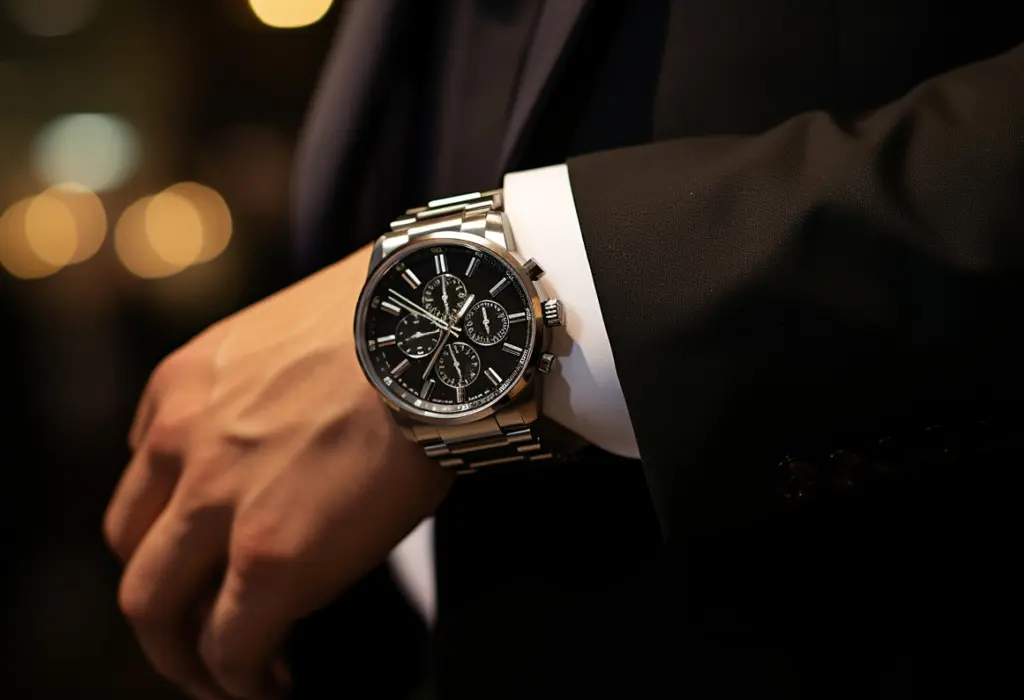
A good watch does something your phone never can: it tells people you paid attention before you left the house. The right watch styling tips can turn a plain work outfit, a weekend jacket, or a dinner look into something sharper without making you seem like you tried too hard. For many Americans, especially those moving between office days, casual Fridays, weddings, and weekend plans, a classic watch is one of the few accessories that still feels useful and personal. It carries taste, habit, and restraint in one small detail. That is why style-minded readers often trust practical fashion guidance from places like modern lifestyle publishing platforms when they want advice that feels wearable, not staged. A watch should not shout over your clothes. It should finish the sentence your outfit already started. Once you understand proportion, strap choice, metal tone, and occasion, wearing one becomes less about rules and more about quiet control.
Choosing the Right Watch for Your Daily Wardrobe
A watch earns its place when it matches the life you actually live, not the fantasy version of your closet. A polished outfit in Chicago, Dallas, or Boston may look different, but the same truth holds: your watch has to work with your daily rhythm. The mistake many people make is buying a watch for one dramatic moment, then wondering why it feels awkward with everything else.
Why Classic Watches Work Better Than Loud Trend Pieces
Classic watches survive because they leave room for the rest of your outfit. A clean dial, balanced case, and simple strap can sit under a navy blazer, a white Oxford shirt, or a wool overcoat without fighting for attention. That restraint is the whole point.
Trend-heavy watches often look exciting in the store because they photograph well under bright lights. On a normal Tuesday morning, though, oversized cases, loud colors, and busy dials can make even good clothes feel unsettled. Style has a way of punishing excess.
A man wearing a charcoal suit to a New York finance office does not need a giant sports watch screaming from under his cuff. A slim silver watch with a white dial says more because it says less. That is the part people miss.
Matching Watch Shape to Personal Style
Round watches are the safest choice for most people because they echo the traditional dress-watch shape. They work with button-down shirts, knit polos, field jackets, and even plain T-shirts when the rest of the outfit is clean. This makes them dependable without feeling dull.
Square and rectangular watches bring more character. They suit people who dress with sharper lines, like tailored trousers, cropped jackets, loafers, or structured coats. A rectangular watch can make a simple outfit feel intentional, but it also exposes sloppy styling fast.
The counterintuitive move is not buying the most “special” watch first. It is choosing the one that disappears into five outfits you already wear. If it looks natural with your most common clothes, it will look even better when you dress up.
Watch Styling Tips for Better Proportion and Fit
The watch should feel connected to your body before it connects to your outfit. Many polished looks fail because the watch is too large, too loose, or too thick for the sleeve. Fit is not a tiny technical detail. It is the difference between style and costume.
How Case Size Changes the Whole Outfit
Case size affects the mood of your clothes more than people expect. A smaller case can make an outfit feel refined, while a larger one can push it toward casual or athletic. Neither is wrong, but both send a message.
For most American office and smart-casual settings, a moderate case size works best. It slides under a shirt cuff, does not dominate the wrist, and feels comfortable during a full workday. A watch that constantly catches on fabric is not stylish. It is annoying.
A broad-shouldered man in a heavy denim jacket may carry a larger watch well. Someone wearing slim tailoring may need a thinner case to keep the outfit balanced. Proportion is personal, which is why copying someone else’s wrist shot rarely works.
Why Strap Fit Matters More Than Price
A cheap-looking strap can weaken an expensive watch, while a well-fitted strap can make a modest watch look considered. The watch should sit close to the wrist without sliding halfway down the hand. Movement is fine. Flopping is not.
Leather straps bring polish because they connect naturally with belts, shoes, and bags. Brown leather feels warmer and more relaxed, while black leather feels cleaner and dressier. A stainless steel bracelet gives more range, especially for people who move from work to dinner without changing.
The unexpected detail is comfort. A watch you keep adjusting looks wrong even when it looks expensive. The best accessory is the one you forget about after you put it on, then notice later because it quietly improved the whole look.
Coordinating Watches with Outfits and Occasions
A polished watch does not live alone. It has to speak the same language as your clothes, shoes, belt, and setting. That does not mean everything must match perfectly. In fact, perfect matching can look stiff. The goal is harmony, not a department-store display.
Pairing Dress Watch Style with Work Clothes
Dress watch style works best when the outfit already has some structure. Think wool trousers, crisp shirts, soft blazers, trench coats, loafers, and clean leather shoes. A thin watch with a plain dial fits these pieces because it respects their formality.
For a Washington, D.C. office, a navy suit with a brown leather-strap watch feels grounded and calm. For a Los Angeles creative meeting, the same watch can sit beside pleated trousers and a knit polo without looking too formal. Context changes the outfit, but the watch still holds it together.
The mistake is treating a dress watch like jewelry that must impress. Its job is not to sparkle. Its job is to make your clothes look chosen. When the dial is calm and the strap is right, people notice the whole person before they notice the accessory.
Using Polished Outfits Without Looking Overdone
Polished outfits should still feel lived in. A watch helps when it adds structure without making the look stiff. A white shirt, straight jeans, suede loafers, and a simple watch can look cleaner than a full suit worn with the wrong energy.
A weekend brunch outfit in Austin or Denver does not need a formal watch to feel sharp. A stainless steel bracelet watch with a simple dial can bridge the gap between casual and refined. It makes denim look neater and knitwear look more deliberate.
Here is the quiet trick: leave one thing relaxed. If the watch is dressy, soften the outfit with texture. If the outfit is tailored, choose a watch that feels simple rather than flashy. Style works better when one detail steps back.
Building Long-Term Style Around a Classic Watch
A classic watch becomes more powerful when it is part of a long-term style system. You do not need a drawer full of options. You need a few smart choices that cover the way you dress most often. That is how an accessory becomes a signature instead of an afterthought.
Creating a Small Watch Rotation That Actually Works
A useful rotation can begin with two watches. One should lean dressy: clean dial, leather strap, slim case. The other should handle casual days: steel bracelet, field style, or simple everyday design. That pair covers more life than most people expect.
Someone in Atlanta might wear the leather watch with business-casual office clothes during the week, then switch to a steel watch with dark jeans and a chore jacket on Saturday. The change feels small, but it shifts the entire outfit. Details do that.
The counterintuitive truth is that fewer watches can create stronger style. Too many choices encourage random pairing. A tight rotation builds recognition, and recognition is where personal style starts to feel real.
Caring for Watches So They Keep Looking Sharp
A watch loses polish when the strap cracks, the crystal clouds, or the bracelet collects grime. Care is not glamorous, but it protects the impression you are trying to make. A clean watch reads as intentional. A neglected one reads as careless.
Leather straps need rest, especially in humid cities like Miami or Houston. Sweat breaks them down faster than most people think. Rotating straps, wiping the case, and storing the watch away from direct heat can extend its life and keep it looking fresh.
Small maintenance habits matter because classic accessories age in public. Scratches can add character, but dirt rarely does. The goal is not to keep a watch perfect forever. The goal is to let it age like something owned by a person with standards.
Conclusion
The best style choices rarely announce themselves. They work in the background, shaping how the whole outfit feels before anyone can name the detail. A classic watch belongs in that category because it brings order, maturity, and rhythm to clothes you may already own. Once you understand proportion, occasion, strap choice, and care, watch styling tips stop feeling like fashion rules and start becoming common sense. The watch should support your life, not complicate it. It should move from office mornings to weekend evenings without demanding a full wardrobe change. That is the real value of choosing well. Start with one watch that fits your wrist, your clothes, and your daily pace, then build from there with patience. A polished look is not built by buying louder pieces. It is built by choosing the right quiet ones and wearing them like they belong.
Frequently Asked Questions
What are the best classic watches for everyday polished outfits?
Simple watches with clean dials, moderate case sizes, and leather or steel straps work best for daily polished outfits. They pair well with office clothes, casual jackets, denim, and dress shoes without feeling too formal or too relaxed.
How should a watch fit on the wrist for a refined look?
A watch should sit close to the wrist bone without sliding down the hand. The case should not hang over the wrist edges, and the strap should feel secure without pinching. Good fit makes even a modest watch look sharper.
Can I wear a leather strap watch with jeans?
A leather strap watch can look excellent with jeans when the rest of the outfit feels clean. Pair it with a fitted shirt, knit polo, loafers, boots, or a casual jacket. Dark denim usually works better than heavily distressed jeans.
Should my watch match my belt and shoes?
Your watch strap does not need to match perfectly, but it should belong in the same color family. Brown leather works well with tan, walnut, or dark brown shoes. Black leather looks best with black shoes and more formal outfits.
Are metal bracelet watches good for business casual style?
Metal bracelet watches are strong choices for business casual style because they bridge formal and relaxed clothing. They work with chinos, button-down shirts, blazers, polos, and clean sneakers. Choose a simple dial to keep the look polished.
What watch size looks best with a suit?
A thinner, moderate-sized watch usually looks best with a suit because it slides under the cuff and keeps the outfit balanced. Oversized watches can distract from tailoring and make formal clothing feel less refined.
How many watches does a stylish person need?
Two well-chosen watches are enough for most people. One dressier leather-strap watch and one everyday steel or casual watch can cover work, weekends, dinners, and events. A small rotation often looks more intentional than a large random collection.
How can I make an affordable watch look expensive?
Focus on fit, cleanliness, and simplicity. Replace worn straps, keep the crystal clean, avoid loud designs, and choose classic dial colors like white, black, navy, or silver. A quiet affordable watch often looks better than a flashy expensive one.