

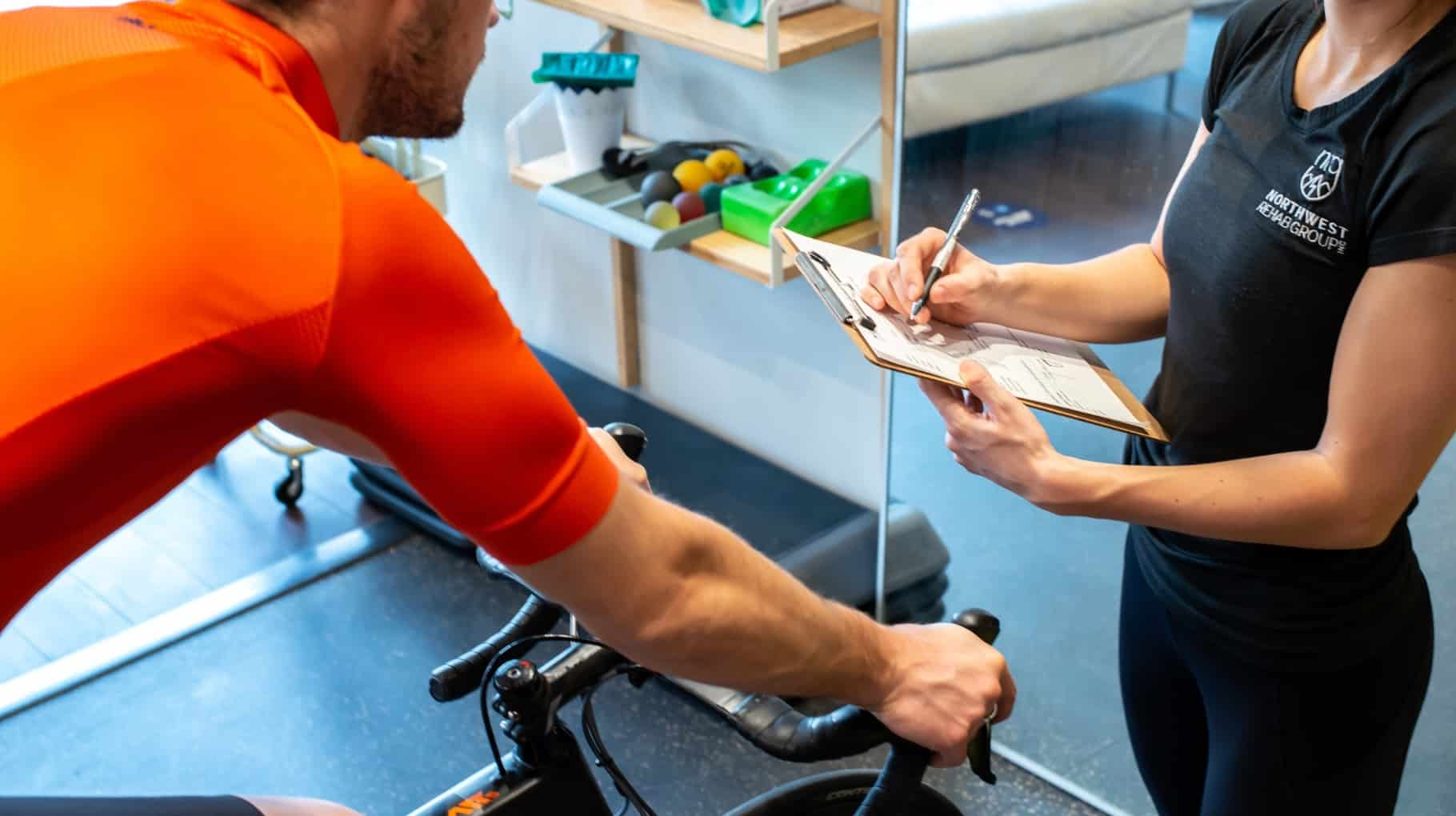
Cycling is one of the most effective ways to stay active, improve cardiovascular health, and enjoy the outdoors. Whether you ride for fitness, commuting, or competition, your experience on the bike depends heavily on one often-overlooked factor: proper bike fit.
Many cyclists assume that purchasing the correct bike size is enough. However, even a bike that appears to fit well can cause discomfort, reduce efficiency, and increase the risk of injury if it is not adjusted to match the rider’s unique body mechanics. Professional bike fitting helps ensure that every component of the bicycle works in harmony with the cyclist’s anatomy and riding style.
The Importance of Proper Bike Fit
A professional bike fitting evaluates key factors such as saddle height, handlebar position, pedal alignment, and overall riding posture. These adjustments are designed to create a more comfortable and efficient cycling experience.
Research and clinical experience show that an optimized bike position can help reduce common cycling-related issues, including:
- Knee pain
- Lower back discomfort
- Neck and shoulder tension
- Hand numbness
- Hip pain
- Foot discomfort
When a cyclist rides in an improper position for extended periods, repetitive stress can place unnecessary strain on muscles and joints. A customized fit helps distribute workload more evenly throughout the body, reducing the likelihood of overuse injuries.
Enhanced Performance and Efficiency
Comfort is only one part of the equation. A properly fitted bike can also improve performance by allowing riders to generate power more efficiently. Small adjustments to saddle position or handlebar reach can significantly impact pedaling mechanics and energy transfer.
Cyclists often find that after a professional fitting, they can ride longer distances with less fatigue while maintaining better control and stability on the bike. This makes bike fitting valuable for both recreational riders and competitive athletes.
Why Every Rider Can Benefit
Bike fitting is not reserved for professional racers. Commuters, weekend riders, mountain bikers, and road cyclists can all benefit from a setup tailored to their needs.
Factors such as flexibility, previous injuries, mobility limitations, and riding goals vary from person to person. A personalized assessment helps identify these factors and ensures the bike is adjusted accordingly. Clinical bike fitting services often incorporate biomechanical analysis and movement assessments to create a truly individualized solution.
Choosing a Professional Bike Fitting Service
When selecting a bike fitting provider, it’s important to look for professionals who understand both cycling mechanics and human movement. Clinics that combine rehabilitation expertise with bike fitting services can offer a more comprehensive approach, especially for riders dealing with pain or recovering from injuries.
For cyclists seeking expert bike fitting in Vancouver, working with experienced professionals can help optimize comfort, efficiency, and long-term riding health through personalized biomechanical assessment and precise bike adjustments.
Choosing a Professional Bike Fitting Service
When selecting a bike fitting provider, it’s important to look for professionals who understand both cycling mechanics and human movement. Clinics that combine rehabilitation expertise with bike fitting services can offer a more comprehensive approach, especially for riders dealing with pain or recovering from injuries.
For cyclists seeking expert bike fitting in Vancouver, working with experienced professionals can help optimize comfort, efficiency, and long-term riding health through personalized biomechanical assessment and precise bike adjustments.
Northwest Rehab Group is known for helping cyclists improve their riding experience through evidence-based assessment and customized treatment plans. Their team focuses on injury prevention, rehabilitation, and performance optimization, making professional bike fitting an important part of long-term cycling health.