

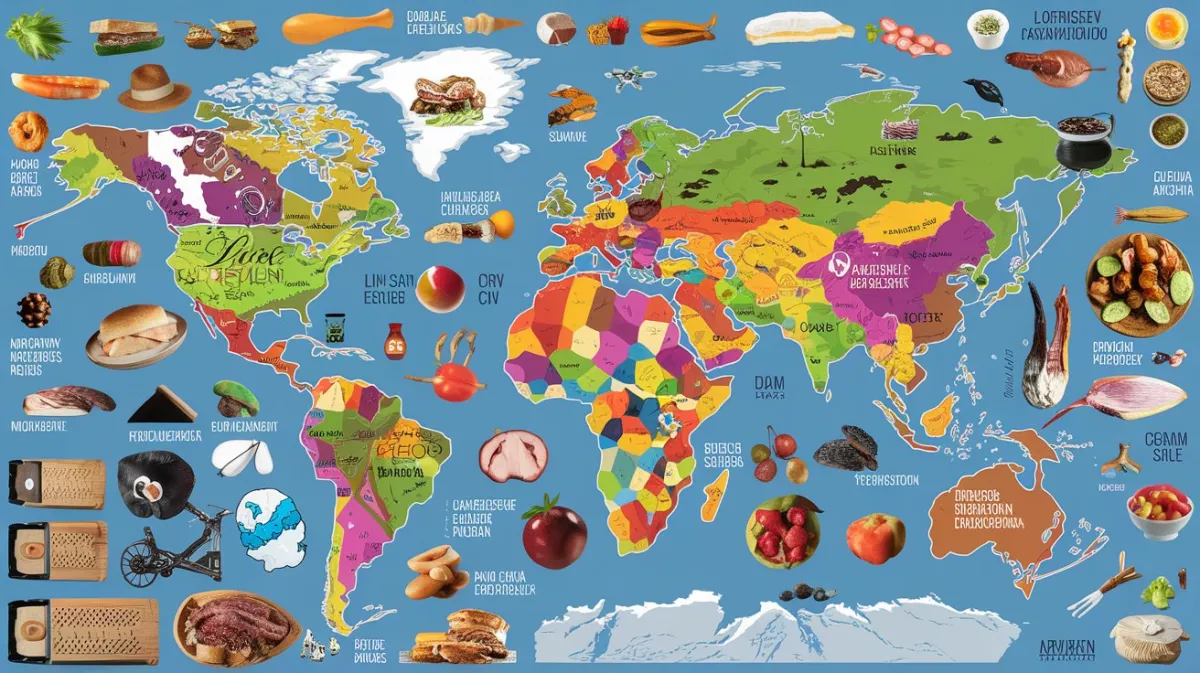
A refrigerator in a tropical country may need to work harder than one in a cooler region. A wooden chair that lasts for decades in a dry climate might develop problems within a few years in a humid environment. Even something as ordinary as a kitchen sponge can vary in material, thickness, and durability depending on where it is sold. These differences reveal an interesting connection between geography and household products that most consumers rarely consider.
Geographical conditions influence far more than architecture and agriculture. Climate, natural resources, transportation networks, and regional lifestyles all contribute to the design and manufacturing of everyday household essentials. Understanding these influences offers a fascinating perspective on objects that often seem identical across the world.
Climate Changes More Than Product Durability
Temperature and humidity significantly influence the materials manufacturers choose for household products. In tropical regions, moisture resistance becomes particularly important because excessive humidity can encourage mold growth, corrosion, and material deterioration. Furniture manufacturers may use treated wood, moisture resistant coatings, and engineered materials to improve durability.
In colder regions, household products often prioritize insulation and heat retention. Thick curtains, thermal bedding, insulated flooring, and specialized window coverings become practical necessities rather than decorative choices.
Lifestyle publications such as www.theloverspoint.com can provide a useful starting point for exploring how different environments influence domestic comfort and everyday purchasing decisions. Geography creates distinct household requirements, even when consumers are shopping for products with identical purposes.
Water Quality Influences Bathroom and Kitchen Products
Water quality is another geographical factor that affects ordinary household items. Regions with hard water contain higher concentrations of dissolved minerals, particularly calcium and magnesium. These minerals can accumulate inside kettles, showerheads, faucets, and washing machines.
Consequently, consumers in hard water areas may prefer appliances with removable heating elements, accessible cleaning components, or features designed to reduce mineral buildup. Cleaning products also differ because certain formulations perform better in particular water conditions.
In areas with softer water, households may experience fewer mineral deposits, although cleaning requirements still depend on individual circumstances. This geographical variation explains why manufacturers sometimes adapt appliances and cleaning solutions for specific regional markets.
Local Food Habits Shape Kitchen Equipment
Kitchen products provide some of the clearest examples of geography influencing household design. Traditional cooking methods depend heavily on regional ingredients, available fuels, and established food cultures.
In parts of Asia, rice cookers, steamers, and woks are common household essentials. Mediterranean kitchens frequently accommodate olive oil storage, baking equipment, and cookware suited to regional dishes. Meanwhile, households in regions where bread is a daily staple may prioritize ovens, bread containers, and specialized preparation surfaces.
Australian family lifestyle discussions, including those associated with The Parent Australia, also reflect the importance of practical household choices. Kitchen equipment must suit family routines, available space, and local eating habits rather than simply following international design trends.
Transportation Networks Affect Product Size and Packaging
Geography influences household products long before they reach consumers. Transportation infrastructure determines how efficiently manufacturers can distribute furniture, appliances, and other domestic essentials.
In densely populated cities, compact packaging and easily assembled furniture can be particularly useful. Narrow staircases, smaller elevators, and limited storage areas create practical challenges when transporting large household items.
Urban mobility information found in a metro travel guide highlights another aspect of city living: the relationship between transportation access and consumer convenience. People who depend on public transportation may find lightweight, portable household products easier to purchase and carry home.
In rural communities, where delivery distances can be greater, durable packaging and products that require less frequent replacement may offer additional advantages.
Natural Resources Influence Traditional Household Materials
Regional access to natural resources has historically shaped household products. Bamboo furniture is common in several Asian countries partly because bamboo grows readily in suitable climates. Cork products have strong historical connections to Mediterranean regions where cork oak trees thrive.
Similarly, wool blankets are associated with areas that have established sheep farming traditions, while clay cookware remains important in regions with longstanding pottery industries.
These geographical connections influence craftsmanship, cultural identity, and consumer preferences. Although international trade makes materials widely available, traditional household products often retain recognizable regional characteristics.
Regional Weather Creates Different Storage Needs
Storage products also reveal surprising geographical differences. In rainy regions, waterproof containers, elevated shelving, and sealed cabinets help protect belongings from moisture.
Dry environments present different concerns, including dust accumulation and prolonged exposure to sunlight. Households may prioritize covered storage, UV resistant materials, and protective furniture finishes.
Urban lifestyle coverage associated with Melbwire Melbourne provides another context for considering regional household requirements. Melbourne’s variable weather, for example, can encourage households to maintain flexible storage arrangements for clothing, outdoor equipment, and seasonal accessories.
These differences demonstrate that effective storage depends on environmental conditions as much as available space.
Conclusion
Ordinary household products carry subtle evidence of the places where they are designed, manufactured, and used. Water quality influences appliances, regional food traditions shape cookware, and transportation systems affect packaging and furniture dimensions.
Geography also determines which materials remain practical, which products require additional protection, and which household features become everyday necessities. Recognizing these connections helps consumers make more informed purchasing decisions while revealing the remarkable relationship between local environments and familiar domestic objects.