

A practical recovery framework for the recreational skier, mountain biker, or rec-league hockey player who took a hit — written for adults whose brain matters as much as their season.
Calgary is a concussion-rich city. The combination of Rocky Mountain skiing, mountain biking on Moraine and the Bow Valley trail networks, rec-league hockey from October through March, and a strong amateur sports culture produces a steady volume of concussions in adults who are not professional athletes and do not have a team doctor monitoring their recovery. They walk into a clinic — often days or weeks after the injury — wondering why they still feel off.
The science of concussion management has changed substantially in the past decade. The old advice — dark room, complete rest, return to activity when symptoms resolve — has been replaced by an active, staged recovery model with stronger evidence behind it. The new guidelines call for early symptom-limited aerobic activity, vestibular and ocular rehabilitation when indicated, and a graduated return-to-activity protocol that does not wait for full symptom resolution. The patients who still get the old advice often have prolonged recoveries that better management would have shortened.
What a concussion actually is
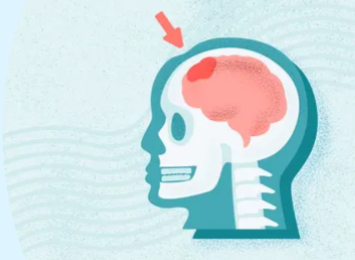
A concussion is a mild traumatic brain injury caused by a direct or transmitted force to the head, producing a transient disturbance of neurological function. The mechanism does not require a loss of consciousness — only about 10 percent of concussions involve unconsciousness — and standard imaging is usually normal. The injury is functional rather than structural at this level of severity.
At the cellular level, a concussion triggers a metabolic cascade. Ion channels open abnormally, cellular energy demand spikes, and a temporary mismatch between energy supply and demand follows. This period of metabolic vulnerability typically lasts 7 to 14 days in adults, during which the brain is more susceptible to a second injury and less efficient at standard cognitive and physical tasks.
Symptoms cluster in four domains: physical (headache, dizziness, nausea, light and sound sensitivity), cognitive (slowed thinking, memory issues, difficulty concentrating), emotional (irritability, anxiety, mood changes), and sleep-related (insomnia, drowsiness, altered sleep patterns). Most patients have symptoms across multiple domains, and the dominant cluster often points to which type of rehabilitation will help most.
Why the old advice was wrong
Complete cognitive and physical rest, sometimes called “cocooning,” was the standard recommendation for decades. Current evidence indicates extended rest beyond the first 24 to 48 hours actually prolongs recovery and increases the risk of persistent symptoms. Research shows patients who begin light, symptom-limited activity early recover faster than those who remain fully sedentary.
The shift is straightforward. The brain heals through activity, not isolation. A patient kept in a dark room for two weeks develops deconditioning, mood symptoms, sleep disruption, and anxiety about activity — all of which produce symptoms that look like ongoing concussion but are actually consequences of the rest itself. By the time they are cleared, they have to recover from both the injury and the prolonged inactivity.
The new approach is symptom-limited activity. The patient does as much as they can without significantly worsening symptoms. A mild headache that increases by one or two points during exercise and resolves within an hour is acceptable. Severe worsening, new symptoms, or symptoms lingering past the activity window means the threshold was exceeded. The window expands over days as the brain recovers.
The first 72 hours done correctly
Immediate post-injury management focuses on identifying anyone who needs urgent imaging or hospital evaluation. Red flags include worsening headache, repeated vomiting, increasing confusion, seizure, focal neurological deficits, or symptoms suggesting a more severe injury. Any of these warrants emergency assessment.
Assuming no red flags, the first 24 to 48 hours involves relative rest — reduced screen time, reduced cognitive load, avoiding any activity that risks a second impact. Sleep is allowed and encouraged. After that initial window, light activity restarts. A 10-to-15-minute walk at a pace that does not significantly worsen symptoms is the typical first dose. Stationary cycling at low intensity follows. Patients should consult a qualified clinician with concussion experience for individualized return-to-activity guidance, particularly within the first week.
What modern concussion rehabilitation looks like
Patients with symptoms persisting beyond 7 to 10 days benefit from targeted rehabilitation. The assessment identifies which systems are most affected, and treatment is tailored accordingly.
- Vestibular rehabilitation. For patients with dizziness, imbalance, or motion sensitivity. Specific exercises retrain the vestibular system and the ocular-vestibular interaction. Evidence indicates significantly faster recovery in vestibular-dominant concussions.
- Cervical rehabilitation. The neck is almost always involved in a concussion mechanism, even when the head impact is the obvious injury. Cervical assessment by a physiotherapist identifies joint and muscle dysfunction that produces headaches and dizziness independently of the brain injury.
- Vision therapy. Convergence insufficiency, accommodation issues, and saccadic dysfunction are common post-concussion and respond to targeted vision rehabilitation. Persistent reading difficulty or screen intolerance often points here.
- Sub-symptom-threshold aerobic exercise. Calibrated to the patient’s individual symptom threshold, gradually increasing in intensity. The Buffalo Concussion Treadmill Test is the standard for setting the appropriate dose.
- Cognitive rehabilitation and pacing. For patients with persistent cognitive symptoms, structured pacing of mental load alongside activity progression.
Most patients with prolonged recovery have a dominant cluster — vestibular, cervicogenic, ocular, or autonomic — that targeted rehabilitation addresses. Generic “rest until better” misses these patterns entirely.
Sleep, nutrition, and the recovery foundation
The brain recovers during sleep. Concussion-related sleep disruption is common in the first two weeks and worth managing actively. Consistent bedtimes, reduced evening screen exposure, and short-term sleep support where appropriate can shorten the symptom window. Persistent sleep disruption beyond the second week deserves clinical attention rather than waiting it out.
Nutrition plays a supportive but real role. Adequate hydration matters in dry Calgary winters when patients often arrive at clinic mildly dehydrated. Omega-3 status, protein intake, and overall caloric adequacy support the metabolic recovery. Alcohol should be avoided through the symptomatic period — it interferes with sleep, worsens headache, and slows cognitive recovery. Caffeine moderation matters because excess intake can mimic or amplify post-concussion symptoms.
The mood and anxiety component of post-concussion recovery deserves its own attention. Patients commonly report increased irritability, frustration, and low-grade anxiety during recovery, particularly when symptoms persist past the first two weeks. Some of this is direct neurochemical effect; some is reactive to the loss of normal activity and the uncertainty of recovery timeline. Brief psychological support, framed as part of recovery rather than as a separate mental-health issue, helps many patients through the hardest weeks and is worth requesting if the clinic does not offer it routinely.
Return to activity, work, and sport
The graduated return-to-sport protocol moves through six stages, with each stage at least 24 hours apart and progression only when symptoms remain stable. Stage one is symptom-limited daily activity. Stage two is light aerobic exercise. Stage three is sport-specific exercise. Stage four is non-contact training drills. Stage five is full-contact practice once cleared. Stage six is return to sport.
For recreational athletes, the return-to-work protocol matters as much as return-to-sport. Cognitive demands at work — screen time, decision-making, attention — often produce symptoms before physical activity does. A graduated return to full work hours, with cognitive pacing across the day, prevents the cycle of pushing through and crashing that prolongs recovery. Calgary patients with persistent post-concussion symptoms typically benefit from a multidisciplinary assessment by week three rather than waiting longer.
Second-impact considerations matter for adults in contact or high-speed activities. Returning to skiing, hockey, or mountain biking before full recovery substantially increases the risk and severity of a second concussion. Patients sometimes resist a six-to-eight-week timeline; the alternative — a more severe second injury — has consequences measured in months or years, not weeks.
The case for active management
Concussion is no longer a wait-and-rest condition. The patients who recover fastest are the ones who begin appropriate activity early, get a structured assessment when symptoms persist beyond a week, and follow a graded return rather than an all-or-nothing approach. The patients with the most prolonged recoveries are usually the ones who got outdated advice and spent two weeks in a dark room.
Calgary’s mountain culture means concussions are part of the local risk profile. Patients with a concussion — particularly any second injury or symptoms persisting beyond two weeks — should consult a qualified clinician with concussion-management experience. A multidisciplinary clinic that combines medical assessment, vestibular and cervical rehabilitation, and graduated return-to-activity protocols is the structure built for this injury.
About the author — this article was contributed by the team at Primaris Health, a Calgary multidisciplinary clinic with physiotherapists, family physicians, and rehabilitation practitioners experienced in concussion management. The clinic sees recreational athletes, weekend warriors, and post-concussion patients with persistent symptoms across the Calgary metro area.