

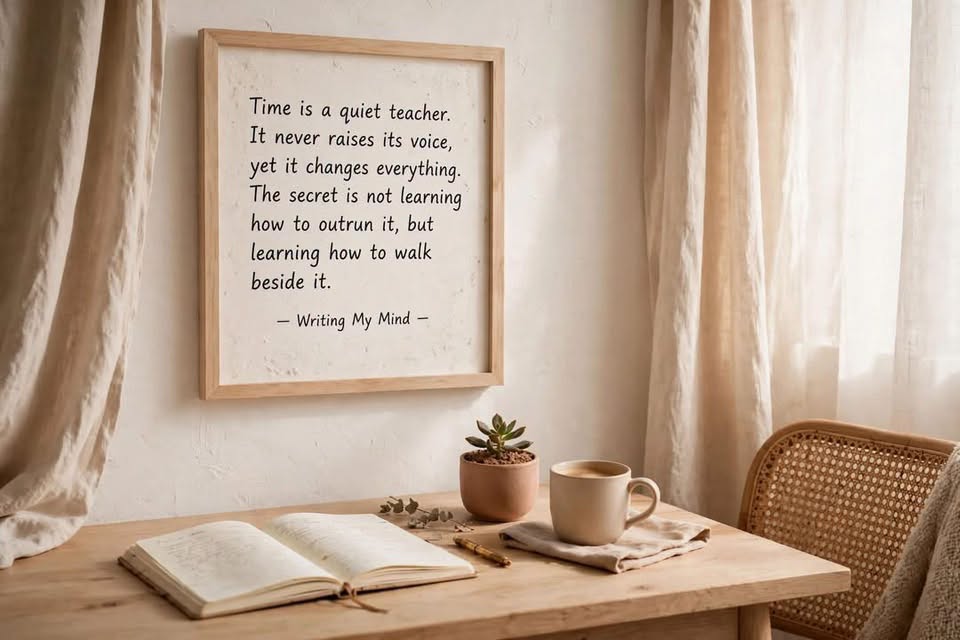
Most days are not defined by dramatic events. They are shaped by ordinary actions that barely seem important while they are happening. Waking up, making breakfast, checking the weather, getting dressed, traveling to work, preparing meals, tidying a room, and getting ready for bed can appear almost automatic. Yet these familiar routines provide much of the structure that determines whether a day feels organized, rushed, productive, or exhausting.
A routine does not need to be carefully designed to influence daily life. In fact, some of the most powerful routines are the ones people rarely notice. Small habits remove repeated decisions, create predictable transitions, and provide a sense of continuity even when everything else feels uncertain.
The First Hour Often Sets the Pace
Morning routines have an unusual amount of influence because they happen before many outside demands begin. Someone who wakes up with enough time to get ready comfortably may enter the day differently from someone who starts by rushing from one task to another.
This does not mean everyone needs an elaborate morning ritual involving exercise, journaling, meditation, and a carefully prepared breakfast. Simplicity can be more useful. Putting clothes out the night before, knowing what breakfast will be, or keeping essential items in the same place can eliminate several unnecessary decisions.
Families often discover this through experience. Advice found on an Australian parenting blog, for example, may focus on practical ideas such as preparing school bags at night, creating consistent breakfast routines, or establishing a predictable time for leaving home. These actions seem small individually, but together they can make mornings considerably easier for both parents and children.
Repetition Reduces Everyday Decision Making
People make countless decisions throughout an ordinary day. Some deserve careful consideration, while many do not. Deciding where to put the keys, when to check email, what time to have lunch, or when to complete routine household tasks can consume attention unnecessarily.
Established routines provide default answers to these minor questions. When something becomes habitual, less thought is required to begin it.
This is one reason people often develop personal systems without consciously planning them. They might always buy groceries on a particular evening, prepare lunch immediately after dinner, or spend ten minutes tidying before going to bed. Lifestyle discussions on a Melbourne lifestyle blog may highlight different approaches to organizing busy urban lives, but the underlying principle remains straightforward. Predictability can reduce friction.
The goal is not to turn every hour into a strict schedule. It is simply to make repetitive parts of life easier to manage.
Travel Creates an Important Transition
For many people, traveling between home and work occupies a significant part of the day. The daily commute can easily be treated as lost time, particularly when traffic, delays, or crowded public transportation are involved. However, commuting also acts as a transition between different parts of life.
Some people listen to music or podcasts during this period. Others read, plan their day, answer nonurgent messages, or simply allow themselves to think without actively completing another task.
The routine surrounding travel matters as well. Leaving home ten minutes earlier, keeping necessary items packed, or checking transportation schedules before departure can change the experience considerably. The distance remains the same, but the amount of stress associated with it may decrease.
Transitions are often overlooked when people think about productivity. Yet moving calmly from one responsibility to another can influence how much energy remains for the rest of the day.
Meals Provide Natural Anchors
Breakfast, lunch, and dinner divide a day into recognizable sections. Even when schedules vary, meals often function as natural stopping points.
A regular lunch break can provide distance from work. Dinner may create an opportunity for household members to reconnect. Preparing food can become a transition between professional responsibilities and personal time.
An Australian online magazine covering everyday living might discuss everything from meal preparation and household organization to work and recreation. Across these subjects, one practical idea repeatedly makes sense: daily life becomes easier when essential activities have a reasonably predictable place within it.
Meal routines can also reduce last minute decisions. Planning several dinners in advance or keeping a few dependable ingredients available can prevent an ordinary evening from becoming unnecessarily complicated.
Small Household Habits Prevent Bigger Jobs
Many household tasks become frustrating mainly because they are postponed until they grow. A few dishes become a full sink. One pile of clothing becomes several loads of laundry. A cluttered surface gradually turns into an afternoon cleaning project.
Short routines can interrupt this accumulation.
Putting things back immediately after using them, cleaning the kitchen after dinner, or handling paperwork at a regular time may require only a few minutes. None of these activities feels particularly significant, which is precisely why their cumulative effect is easy to underestimate.
A functional home is often maintained through frequent small actions rather than occasional bursts of effort. The same principle applies to many other responsibilities.
Routines Can Protect Personal Time
Without boundaries, work and household responsibilities can expand into almost every available hour. Routine can create a natural endpoint.
Someone working from home might shut down their computer at a consistent time. Another person may change clothes after arriving home to signal that the working day has finished. Families might reserve certain evenings for shared meals, entertainment, or simply spending time together.
These habits do not guarantee perfect balance, but they make personal time less likely to disappear accidentally.
The evening routine is particularly valuable because it connects one day with the next. Charging devices, preparing clothing, organizing a bag, or writing down tomorrow’s priorities can reduce morning uncertainty.
Flexibility Still Matters
Routine becomes less helpful when it turns into rigidity. Unexpected appointments, delayed transportation, family responsibilities, illness, and spontaneous opportunities will sometimes disrupt even the most carefully organized day.
Useful routines should support life rather than control it.
It can help to distinguish between routines that genuinely make things easier and habits that continue only because they have always been there. Occasionally reconsidering them allows daily patterns to change alongside work, family, priorities, and circumstances.
Ordinary Days Are Built From Small Patterns
A well managed day rarely depends on one extraordinary productivity technique. More often, it emerges from dozens of small actions that fit together almost invisibly.
Where the keys are kept, when breakfast is prepared, how the journey to work is handled, when household tasks are completed, and what happens before bedtime may seem insignificant when viewed separately. Together, they create the rhythm of everyday life.
Ordinary routines cannot eliminate unexpected problems or guarantee that every day will go smoothly. What they can do is reduce unnecessary decisions and create reliable points of stability. When the basics require less effort, there is more attention available for the parts of life that cannot be planned. That quiet influence is what makes simple routines far more important than they first appear.