

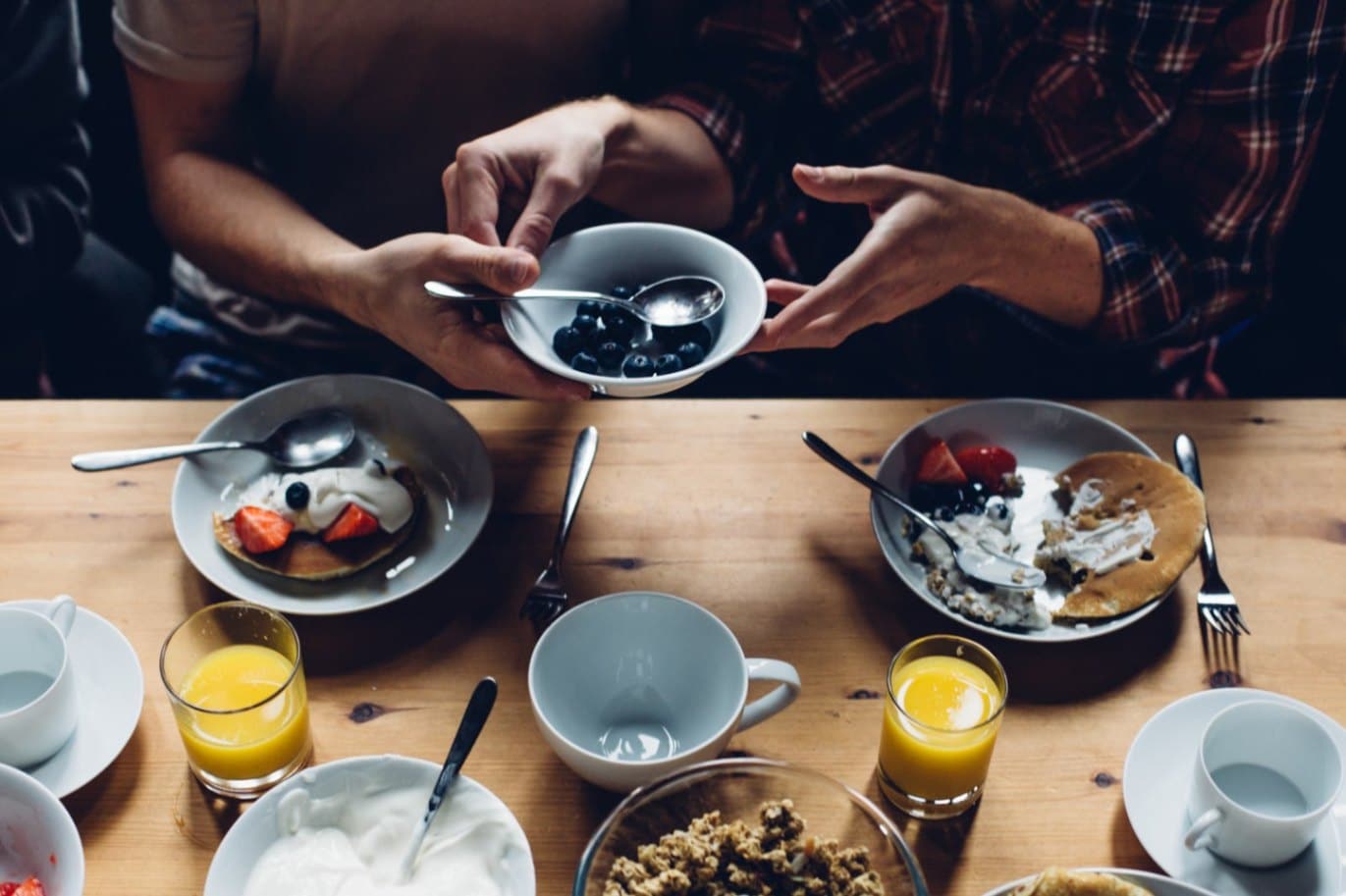
Dinner can disappear before your body has a fair chance to speak. That is where Mindful Eating Habits begin to matter, not as a diet trick, but as a calmer way to notice what your plate, pace, and hunger are telling you. For many Americans, portions have grown so normal that a full restaurant entrée, a giant coffee drink, and a snack-sized bag that serves two barely raise an eyebrow.
Better eating does not always start with stricter rules. Sometimes it starts with slowing your fork, checking your hunger before the first bite, and noticing whether you are eating because you need food or because the day has been heavy. That small pause can change the whole meal.
A practical food routine also fits into a wider life routine. Many readers who care about smarter everyday choices look for grounded lifestyle guidance from trusted digital resources like practical wellness and lifestyle content, especially when they want advice that feels usable after a long workday. The goal here is simple: eat with more attention, less guilt, and a better sense of enough.
Why Portion Awareness Starts Before Food Hits the Plate
Portion control often gets treated like a math problem, but the first mistake happens earlier than the first bite. You decide how much food looks “normal” before your body has any say. A wide dinner plate, a rushed lunch break, or a family-style serving bowl in the center of the table can push you toward more food without one clear decision.
How Visual Cues Shape Everyday Eating
Your eyes vote before your stomach does. A small serving on a giant plate can look sad, while the same serving in a smaller bowl can feel complete. That sounds too simple, but it explains why many people overeat at home even when they are not hungry enough for seconds.
A real example shows up in the average American pasta night. Someone fills a dinner plate because the empty space looks wrong, then adds bread and salad because that is what dinner “should” look like. The meal was not built around hunger. It was built around plate size and habit.
One useful fix is to plate food in the kitchen instead of placing big serving dishes on the table. This does not ban seconds. It adds a pause before them. That pause matters because it gives your body time to catch up with your appetite.
Why “Normal Portions” Are Often Learned, Not Needed
Most people do not eat from hunger alone. They eat from memory. The sandwich size you grew up with, the restaurant meals you copied, and the snack bags you finished during TV all trained your idea of enough.
This is why strict willpower fails so often. You are not only fighting hunger. You are fighting a visual standard that has been repeated for years. That standard can change, but it needs repetition in the other direction.
A better approach is to create a personal “usual plate” at home. Half the plate can hold vegetables or fruit, one quarter can hold protein, and one quarter can hold grains or starches. It is not a rigid rule. It is a reset button for meals that have been shaped by oversized cues for too long.
Building Mindful Eating Habits Around Hunger Signals
A plate can guide you, but your body still has the final vote. Mindful Eating Habits work best when you stop treating hunger as an emergency and fullness as a finish line. The goal is to notice the middle ground, where your body is fed but not stuffed.
Reading Hunger Before You Start Eating
Hunger has levels. There is a clear physical hunger that builds slowly, and there is the sudden urge that comes from stress, boredom, or seeing food nearby. Both feel real in the moment, but they do not ask for the same answer.
A useful test is the “meal or mood” check. Before eating, ask whether a balanced meal sounds good, or whether only one specific food sounds good. If chicken, rice, and vegetables sound fine, hunger may be present. If only chips or cookies sound acceptable, emotion may be driving.
This does not mean you can never eat for comfort. People do that because life is hard and food is close. The point is honesty. Once you know what kind of hunger you are dealing with, you can choose with more control.
Stopping Before Fullness Turns Heavy
Fullness often arrives quietly, then gets loud after you have already crossed the line. Many people only notice they ate too much when they stand up from the table. By then, the body has already moved from satisfied to uncomfortable.
The cleanest fix is a pause halfway through the meal. Put the fork down, sip water, and check whether the food still tastes as good as it did at the start. When flavor starts fading, your body may be giving you a signal before your stomach feels packed.
A counterintuitive truth sits here: the last bites are often the least rewarding. People finish them because they are there, not because they add pleasure. Leaving three bites behind can teach more about fullness than any food rule printed on a package.
Using Meal Pace to Make Better Choices
Speed changes everything. A fast meal turns eating into a task, while a slower meal gives your body space to respond. Many Americans eat lunch in cars, at desks, or between errands, so pace is not a small detail. It is the difference between noticing and missing the signal.
Why Slower Eating Does Not Mean Eating Perfectly
Slow eating gets misunderstood as a polite, delicate habit. It is more practical than that. It helps you catch the point where food still feels good, before your body starts asking you to stop.
You do not need candlelight or a silent kitchen. You need friction. Put the phone face down, chew before loading the next forkful, and take one breath between bites when you remember. These tiny delays make the meal easier to read.
A parent eating after a late soccer practice will not turn dinner into a spa ritual. That is fine. Even a five-minute slower pace can make a difference when the old pattern was inhaling food while standing at the counter.
How Distraction Quietly Breaks Portion Control
Screens are portion control’s worst roommate. A streaming show, work email, or scrolling feed keeps the brain busy while the hand keeps moving. You look down, and the food is gone. The body was there, but attention was not.
The problem is not moral weakness. It is split attention. Eating while distracted removes the small moments when you might notice taste, texture, fullness, or satisfaction. Without those signals, the easiest cue becomes an empty plate.
A simple home rule helps: eat the first five bites without a screen. Those first bites carry the most flavor and the clearest hunger signal. After that, you may still choose to watch something, but at least the meal began with awareness instead of autopilot.
Making Portion Awareness Work in Real American Routines
Healthy advice fails when it assumes everyone has quiet mornings, flexible lunches, and a perfect grocery budget. Real life includes drive-thrus, office snacks, kids’ leftovers, late shifts, and weekends where food is part of family connection. Portion Awareness has to survive all of that.
Managing Restaurant Portions Without Feeling Restricted
Restaurant meals in the United States are often built for value, not body signals. Bigger plates feel generous, and nobody wants to pay more for less food. The trouble is that value sizing can train you to ignore your own stopping point.
One practical move is to decide your stopping point before the meal begins. You might plan to eat half the entrée and take the rest home, or split fries with the table instead of ordering your own. The decision feels easier before hot food lands in front of you.
This is not about acting precious at dinner. It is about leaving the restaurant feeling good enough to enjoy the rest of the night. Food should add to the evening, not end it with a heavy stomach and regret.
Handling Snacks, Leftovers, and Emotional Eating
Snacks create trouble because they rarely look like meals. A handful here, a bite there, a few crackers while cooking, and suddenly you have eaten more than you planned without sitting down once. The body counts it even when the mind does not.
A better snack habit starts with plating. Put chips, nuts, fruit, or crackers into a small bowl instead of eating from the bag. This gives the snack a beginning and an end. Bags are built for continuation.
Emotional eating needs less shame and more structure. After a rough day, food may still be part of comfort, but it should not be the only tool. A short walk, a hot shower, a call with someone steady, or ten minutes away from noise can lower the pressure before you decide what to eat.
Turning Awareness Into a Repeatable Food Routine
Awareness is only useful if it survives ordinary days. The strongest eating routines are not dramatic. They are repeatable. They give you enough structure to avoid chaos and enough flexibility to avoid rebellion.
Creating Simple Meal Anchors
Meal anchors are the few pieces that make eating feel steady. They might include protein at breakfast, vegetables at dinner, water before coffee refills, or a planned afternoon snack. These anchors keep hunger from turning into a late-day food ambush.
For example, an office worker who skips lunch may feel proud at 2 p.m., then feel out of control by 7 p.m. That is not a character flaw. It is biology meeting poor planning. A packed turkey wrap, yogurt, fruit, or leftover rice bowl can stop that swing before it starts.
The unexpected part is that structure often creates freedom. When your meals have anchors, you spend less mental energy negotiating with hunger all day. Food becomes less noisy.
Letting Flexibility Protect Consistency
Rigid eating plans break because life keeps moving. Birthdays happen. Flights get delayed. Friends order pizza. A routine that cannot bend will snap, then leave you feeling like you failed.
Flexible consistency means you return to your habits at the next meal, not next Monday. One oversized dinner does not require punishment. It requires a normal breakfast, water, movement, and less drama than most people attach to food.
That mindset protects long-term progress. Guilt pushes people into extremes, while awareness brings them back to center. The win is not perfect eating. The win is noticing sooner, adjusting calmly, and trusting yourself around food again.
Conclusion
Food choices become easier when you stop treating every meal like a test of discipline. Your body is not trying to trick you, but it does need your attention. Hunger, fullness, taste, pace, and emotion all speak in small signals. Most people miss them because the day is loud.
Better portion awareness grows from ordinary acts done often. Plate the snack. Pause halfway through dinner. Eat the first few bites without a screen. Decide how much restaurant food you want before the server brings it out. These moves look small, yet they shift power back to you.
The best part is that mindful eating does not ask you to hate food. It asks you to enjoy it with enough presence to know when the experience has done its job. Start with one meal today, choose one pause, and let that single moment teach you what enough feels like.
Frequently Asked Questions
How do mindful eating habits help with portion control?
They help you notice hunger, fullness, taste, and pace before you eat past comfort. Instead of relying only on rules, you learn to read body signals during the meal. That makes portion control feel less forced and more natural.
What is the easiest way to practice portion awareness at home?
Plate your food before sitting down, then keep serving dishes away from the table. This creates a small pause before taking more. You can still have seconds, but the choice becomes more intentional instead of automatic.
Can mindful eating work if I have a busy schedule?
Yes, because it does not require perfect meals or long rituals. Start with one small habit, such as eating the first five bites without looking at your phone. Even brief attention can change how quickly you eat and how soon you notice fullness.
How can I stop eating when I feel satisfied?
Pause halfway through the meal and check whether the food still tastes as good as it did at the start. Satisfaction often appears before physical fullness feels obvious. Slowing down helps you catch that signal before you become uncomfortable.
Are smaller plates useful for better portion awareness?
Smaller plates can help because they change how a serving looks to your eyes. They do not solve every eating habit, but they reduce the visual pressure to fill empty space. Used with hunger checks, they can support better portions.
How do I handle emotional eating without guilt?
Name the feeling first, then decide what kind of support you need. Food may still be part of comfort, but it should not be your only option. A walk, shower, phone call, or quiet break can lower the urge before you eat.
What should I do when restaurant portions are too large?
Decide your stopping point before eating. You can split a dish, box half early, or share sides with the table. Planning before the food arrives makes the choice easier because hunger and aroma have less control over the moment.
Can mindful eating help with late-night snacking?
It can help you separate true hunger from fatigue, stress, or habit. Before snacking, ask whether a simple balanced food sounds good. If only one craving food sounds appealing, pause and check whether rest, water, or decompression is what you need first.