

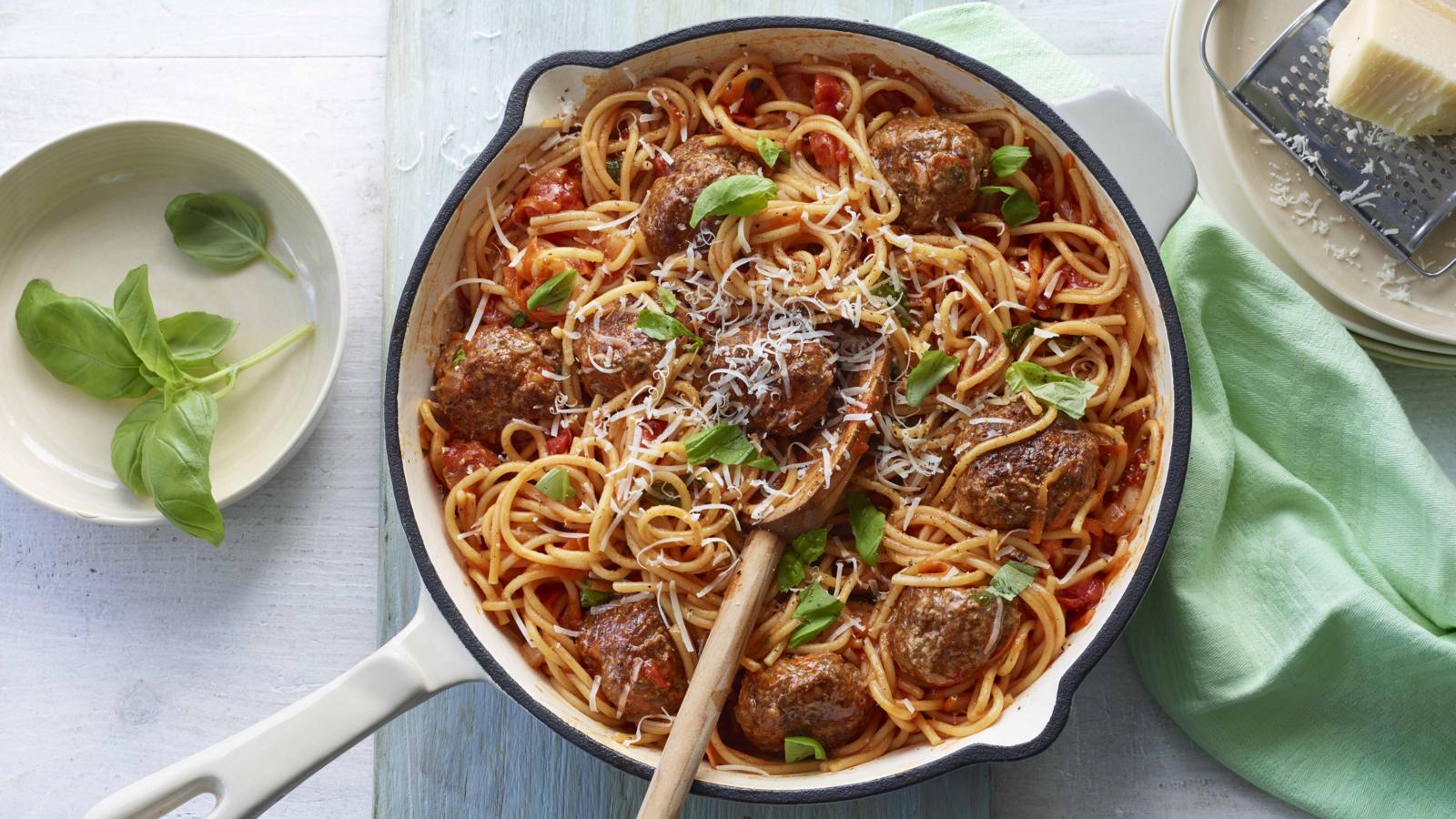
Dinner can turn a peaceful home into a loud little traffic jam by 6 p.m. Someone is hungry, someone is tired, one pan is missing, and the sink already looks accused. That is why one pan dinner ideas feel less like a cooking trend and more like a rescue plan for busy American families trying to eat well without turning every night into a production. A calm dinner does not come from a perfect recipe. It comes from fewer moving parts, clear choices, and food that reaches the table before everyone runs out of patience.
Most families do not need fancier meals. They need meals that fit real life: late sports practice, homework on the counter, a parent answering one last email, and a fridge holding three things that should have been cooked yesterday. Sites that share practical lifestyle and home routines, such as everyday family living tips, understand that better nights often start with simpler systems. A good one-pan meal gives you that system without making dinner feel dull.
The best part is not only fewer dishes. It is the mental quiet. When the whole meal cooks together, you stop juggling five timers and start paying attention to what matters: seasoning, texture, timing, and the people sitting down with you.
One Pan Dinner Ideas That Make Weeknights Feel Lighter
A family dinner should not require the emotional stamina of a holiday meal. The strongest weeknight meals work because they remove decisions before stress has a chance to build. One pan dinner ideas help because they turn dinner into a single path instead of a dozen small choices competing for your attention.
Sheet Pan Meals That Do More Than Save Dishes
Sheet pan meals earn their place because they create edges, color, and texture without asking much from the cook. Chicken thighs, baby potatoes, and green beans can roast together with olive oil, garlic, lemon, and paprika while you reset the kitchen or help a child find a missing worksheet. That kind of meal feels calm because the oven carries the weight.
The trick is not throwing everything onto the pan at once. Dense foods need a head start. Potatoes, carrots, and winter squash should go in first, then quicker vegetables join later. This small timing habit keeps broccoli from burning while the chicken finishes, which is where many sheet pan dinners fall apart.
A good American weeknight example is sausage, peppers, onions, and small potatoes. It tastes like something from a county fair stand, but it cooks like a quiet Tuesday meal. Add mustard or a simple yogurt sauce at the end, and the plate feels finished without another pan on the stove.
Skillet Suppers Built Around Real Family Timing
A skillet dinner works best when the family needs food fast, not when anyone wants to babysit a complicated sauce. Ground turkey with rice, black beans, corn, salsa, and shredded cheese can become a full meal in one pan. It has protein, carbs, vegetables, and enough comfort to keep people from asking where the “main dish” is.
The skillet also gives you control that the oven cannot. You can taste as you go, loosen the pan with broth, add a handful of spinach at the end, or stretch the meal with leftover rice. That makes skillet cooking useful for families who do not shop from a perfect meal plan every Sunday.
One counterintuitive move helps: do not stir constantly. Let the food sit long enough to brown. Those browned bits at the bottom are flavor, not a mistake. Scrape them up with broth or tomato sauce, and the meal tastes deeper than the short cooking time suggests.
Family Dinner Recipes That Keep Everyone at the Table
Getting dinner cooked is only half the job. The harder part is making food that adults enjoy and kids will at least meet halfway. Family dinner recipes succeed when they leave room for personal choice without turning the cook into a short-order chef.
Flexible Bowls Without Extra Cooking
A one-pan rice or grain bowl can solve the “everyone wants something different” problem without making separate meals. Cook chicken, rice, broth, peppers, onions, and taco seasoning together, then set out toppings like avocado, shredded lettuce, salsa, sour cream, or lime. The pan stays unified, but each plate feels personal.
This matters in American homes where one child wants mild food, another wants extra cheese, and an adult wants something fresh on top. The base meal does not change. The toppings do the negotiating. That is calmer than arguing over the recipe before it reaches the table.
The unexpected truth is that choice can reduce complaints when the choices are controlled. Too many options create chaos. Three or four toppings give everyone a sense of ownership without turning dinner into a buffet line that empties half the fridge.
Comfort Food Without the Heavy Cleanup
Comfort food does not have to mean a sink full of bowls and baking dishes. A one-pan pasta with marinara, spinach, Italian sausage, and mozzarella can cook in the same skillet if you use enough liquid and stir at the right moments. The starch from the pasta thickens the sauce, so the meal feels cozy without a separate pot.
Macaroni-style dinners can follow the same idea. Pasta, milk, broth, cheddar, and chopped broccoli can come together in one deep pan. The result is familiar enough for kids and useful enough for adults who want something more balanced than plain noodles.
A calm family night often depends on the cleanup as much as the meal. When dinner ends and only one pan needs washing, nobody feels punished for cooking at home. That small relief changes the mood of the whole evening.
Easy Weeknight Meals With Better Flavor and Less Stress
Fast food wins when home cooking feels like too much work. Easy weeknight meals need to compete with that reality, not with a fantasy version of family life where everyone has time, energy, and a perfect pantry. The answer is not bland speed. The answer is smart layering.
Use One Strong Flavor Anchor
Every one-pan meal needs a flavor anchor that does more than add salt. Pesto, salsa verde, curry paste, barbecue sauce, harissa, ranch seasoning, or miso butter can carry a meal when the rest of the ingredients are simple. The pan becomes easier because the flavor direction is already chosen.
A practical dinner might be salmon, asparagus, and small potatoes roasted with lemon and pesto. Another might be chicken tenders, frozen corn, rice, broth, and salsa verde in a covered skillet. These meals do not need ten spices because the anchor has already done the hard work.
The mistake many cooks make is adding too many small flavors that fight each other. Garlic powder, onion powder, paprika, oregano, chili flakes, lemon, cheese, and sauce can turn into noise. One clear flavor path usually tastes better than a crowded one.
Let Frozen and Store-Bought Ingredients Help
Frozen vegetables are not a failure. They are often the reason dinner happens at all. Frozen broccoli, peas, mixed peppers, corn, and spinach can move straight into skillets, rice bakes, and pasta pans with almost no prep. For many families, that matters more than pretending every ingredient came from a farmers market.
Rotisserie chicken also deserves respect. It can turn rice, broth, vegetables, and seasoning into a one-pan dinner in under half an hour. Add it near the end so it warms without drying out. That one detail keeps the meat tender and prevents the meal from tasting like leftovers wearing a disguise.
A quiet freezer strategy helps too. Keep two vegetables, one protein backup, and one quick sauce available. That small reserve can protect a weeknight from takeout when the day runs longer than expected.
Simple Dinner Cleanup Starts Before You Cook
The calmest dinners are not only cooked well. They are set up well. Simple dinner cleanup begins before the oven turns on, because the way you prep the meal decides how tired you feel after eating it.
Build the Pan Around Cleanup, Not Only Taste
Parchment paper, foil, a wide skillet, and a rimmed sheet pan can change the entire dinner experience. A rimmed pan keeps juices from spilling. A deep skillet prevents sauce from splashing across the stove. Parchment helps roasted vegetables release without a fight. These are small choices, but they matter at 7:45 p.m.
The best pan size is often bigger than you think. Crowding food traps steam, which makes vegetables limp and meat pale. A larger pan gives ingredients space to brown, and browned food almost always feels more satisfying. Less crowding also means less stuck-on mess.
One smart habit is to rinse or soak the pan before sitting down to eat. It takes less than a minute, and it saves ten minutes later. That is not glamorous advice, but it works better than any cleaning hack that starts after sauce has hardened.
Make Leftovers Part of the Plan
Leftovers should not feel like a sad repeat of last night. A sheet pan chicken dinner can become wraps the next day. A skillet taco rice meal can become stuffed peppers or lunch bowls. Roasted vegetables can slide into eggs, pasta, or a quick quesadilla.
This approach changes how you measure dinner success. The meal is not finished when plates are cleared. It has done its job when it helps tomorrow feel easier too. Families who cook this way get more value from the same effort.
The counterintuitive move is to cook slightly more of the flexible ingredient, not the whole meal. Extra roasted chicken, rice, potatoes, or vegetables can become something new. Extra fully assembled casserole often cannot. Flexibility beats volume when the goal is calmer nights.
Dinner will always carry a little noise because families are noisy by nature. That does not mean the meal has to add to it. When you choose one pan dinner ideas with a clear flavor path, flexible toppings, smart timing, and cleanup in mind, the whole evening gets softer around the edges. You stop treating dinner like a test you pass or fail. You start treating it like a rhythm your home can return to, even on busy nights.
The best meals are not the ones that impress people on a screen. They are the ones your family will eat, the ones you can repeat without resentment, and the ones that leave enough energy for the rest of the night. Pick one pan, choose one strong flavor, and make tonight easier than yesterday.
Frequently Asked Questions
What are the best one pan meals for busy families?
The best choices combine protein, vegetables, and a filling base in the same pan. Chicken and potatoes, taco rice skillets, sausage with peppers, and one-pan pasta all work well because they are simple, filling, and easy to adjust for different tastes.
How do I make sheet pan dinners taste better?
Give dense vegetables a head start, leave space between ingredients, and use one strong seasoning direction. Lemon-garlic, barbecue, ranch, pesto, or taco-style seasoning can make a basic sheet pan meal taste planned instead of thrown together.
Can one pan dinners be healthy for kids?
Yes, especially when the pan includes lean protein, colorful vegetables, and a steady carb like rice, potatoes, or pasta. Keep sauces familiar, offer simple toppings, and avoid turning healthy food into a lecture at the table.
What pan should I use for easy weeknight meals?
A rimmed sheet pan, a large nonstick skillet, and a deep oven-safe pan cover most family dinners. Bigger pans usually work better because crowded food steams instead of browning, which can make meals taste flat.
How can I reduce cleanup after family dinner?
Line sheet pans when it fits the recipe, rinse cookware before food dries, and avoid using extra bowls for seasoning when ingredients can be mixed directly in the pan. A small cleanup habit before eating saves effort later.
Are frozen vegetables good for one pan cooking?
Frozen vegetables work well in skillets, rice meals, pasta dishes, and casseroles. Add them at the right time so they heat through without turning watery. Peas, corn, spinach, broccoli, and peppers are strong choices.
What one pan dinner can I make with leftover chicken?
Leftover chicken works well in rice skillets, pasta pans, quesadillas, enchilada-style bakes, and soup-like meals with broth and vegetables. Add it near the end of cooking so it warms gently without becoming dry.
How do I keep one pan dinners from getting boring?
Change the flavor anchor instead of changing the whole method. Use pesto one night, salsa verde another, barbecue sauce later, then lemon-garlic seasoning after that. The cooking stays simple while the meals feel different.