

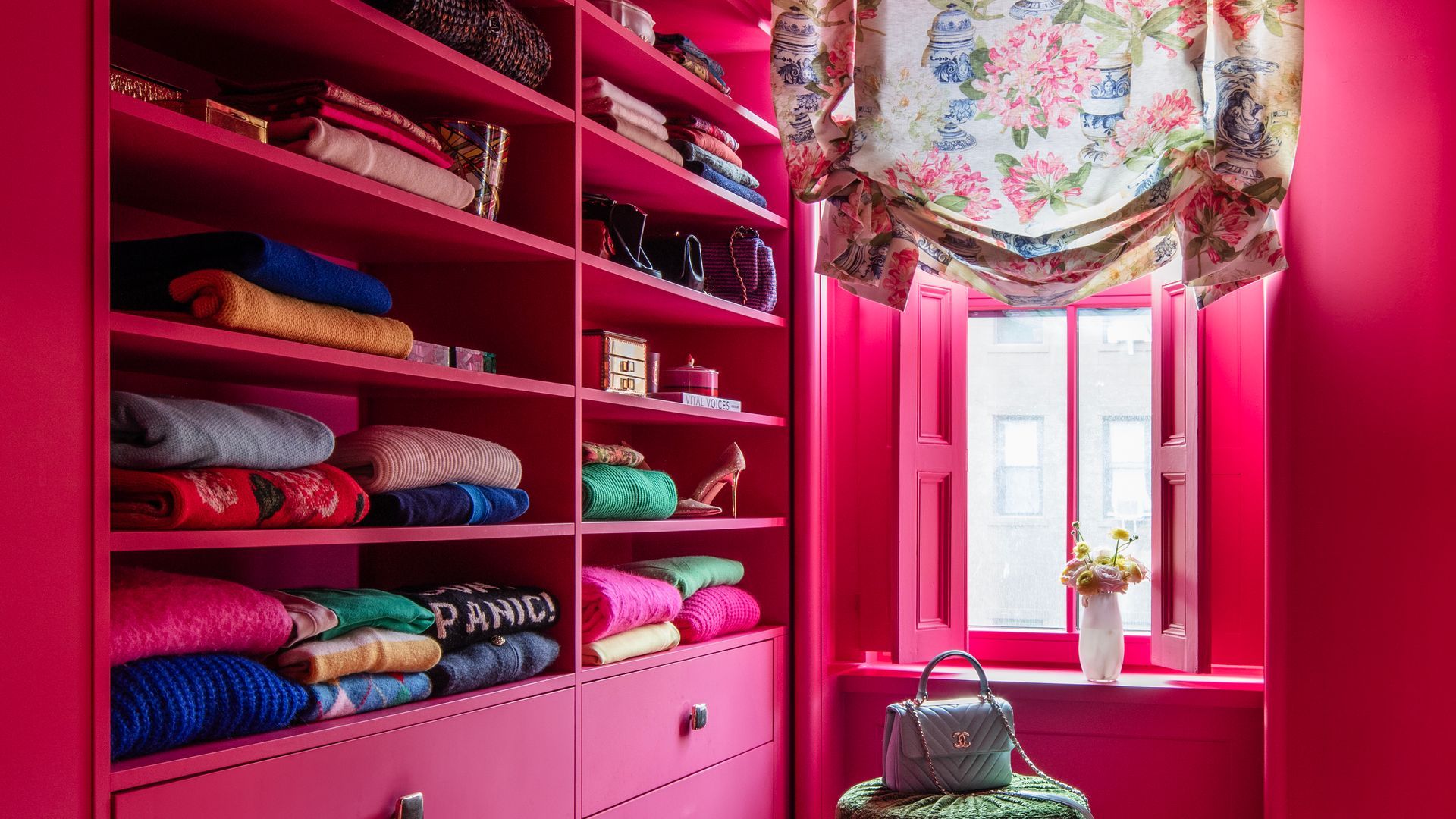
Most people do not lose time getting dressed because they lack clothes; they lose time because their clothes are fighting them. A smart closet organization setup turns dressing from a morning debate into a quick choice, especially when your day already has enough noise. In many U.S. homes, the problem starts with tiny apartment closets, shared dressers, packed laundry baskets, and pieces bought for lives people no longer live.
Your wardrobe should work like a calm assistant, not a stuffed storage unit. The goal is not to own less for the sake of looking disciplined. The goal is to see what fits, reach what you wear, and stop digging through “maybe someday” clothes when you need to leave in ten minutes. Even a small closet can feel generous when it has a clear job. For style, home, and lifestyle ideas that support better daily choices, resources like smart personal style planning can help you think beyond random purchases and build habits that last.
Build a Closet Layout That Matches Real Life
A closet should reflect your week, not a showroom photo. The best setup starts with what you reach for on Monday morning, not what looks perfect after a full afternoon of folding. Many people organize by clothing type only, then wonder why dressing still feels slow.
Your layout needs zones based on action. Work clothes, weekend pieces, gym outfits, shoes, coats, and repeat basics all deserve their own space. That sounds simple, but it changes the whole experience. You stop searching across six places for one outfit and start pulling from a system that already understands your life.
Use Wardrobe Storage Ideas Around Frequency
Daily clothes deserve the easiest access. That means eye-level shelves, front-facing hangers, top dresser drawers, and bins you can open without moving three other things. A favorite pair of jeans should not sit behind formal pants you wear twice a year.
Strong wardrobe storage ideas begin with one honest question: how often do you wear it? If the answer is weekly, keep it close. If the answer is seasonal, place it higher, lower, or farther back. That one rule removes half the morning friction without buying a single organizer.
A real example shows the point. A nurse in Ohio with early shifts may need scrubs, base layers, socks, and slip-resistant shoes in one tight zone near the closet door. Her formal dresses can stay covered at the back. A wedding outfit should not compete with Tuesday’s uniform.
Give Every Category a Clear Boundary
Clothes spread when they have no border. Sweaters slide into workout wear. Belts hide under scarves. Shoes multiply across the floor because no one has told them where to stop. Boundaries solve that better than motivation ever will.
Use shelf dividers, drawer inserts, labeled bins, or even simple empty space between categories. A boundary tells your brain, “This is the shirt area,” before you start thinking. That matters when you are half-awake and already late.
The counterintuitive part is that open space can be more useful than another storage product. A shelf packed edge to edge may hold more, but it hides decisions. A shelf with breathing room lets you see the blue sweater, the cream cardigan, and the black hoodie at once. Faster dressing often comes from fewer visual battles.
Remove the Clothes That Slow You Down
A crowded wardrobe gives the illusion of choice while stealing speed. The pieces you avoid still take up attention. They sit between you and the clothes that fit, flatter, and match your actual day.
This is where people get stuck. They treat decluttering like a moral test instead of a practical repair. You are not proving discipline. You are removing friction from a daily task. That shift makes decisions easier and less emotional.
Create a Closet Decluttering System That Uses Evidence
A good closet decluttering system does not rely on mood. Mood changes. Evidence does not. Start by pulling out anything damaged, uncomfortable, outdated for your current life, or tied to a version of you that no longer exists.
Then test the uncertain pieces with a simple rule: would you wear this in the next 30 days if the weather allowed it? If not, it goes into a review box, not back into prime space. The review box lowers pressure because you are not throwing everything away in one dramatic moment.
This works well for people who feel guilty about money spent. A blazer that cost $180 but pulls across the shoulders is not saving money by staying in your closet. It is charging you rent every morning through stress. Donate, tailor, sell, or store it with purpose.
Separate Memory From Utility
Some clothes carry stories. A college sweatshirt, a concert tee, a dress from an important night, or a jacket from a first job may deserve care. That does not mean it deserves daily closet space.
Memory clothes should live in a memory box, not in the path of your morning choices. Utility clothes earn space by serving your current schedule. Mixing those roles creates confusion because the closet becomes both storage and scrapbook.
A useful trick is to keep one memory piece visible if it still brings joy and move the rest elsewhere. That keeps sentiment without letting it take over. Not every meaningful item belongs on a hanger.
Plan Outfits Before the Morning Rush
Decision fatigue is real in daily dressing, even when the stakes feel small. By the time you choose shoes, check the weather, find a clean shirt, and question whether pants fit right, your brain has already spent energy. Planning removes that drain before it starts.
The goal is not to become rigid. It is to protect your morning from avoidable choices. A little planning gives you room for taste, mood, and weather without turning every weekday into a closet negotiation.
Build an Outfit Planning Routine for Your Week
An outfit planning routine works best when it happens before laundry is fully put away. That is when you can see what is clean, what needs ironing, and what combinations make sense. Sunday evening is common, but any steady time works.
Choose three to five complete outfits, including shoes, layers, and accessories. Hang them together or place them in one section. For kids, teens, office workers, and busy parents, this simple move can cut daily dressing time fast.
A Chicago office worker, for example, might prepare two polished work outfits, one casual Friday option, one gym-ready set, and one dinner outfit. The week still has flexibility, but the hard thinking is already done. That is the quiet win.
Use Outfit Formulas Instead of Full Looks
Full outfits can feel too strict for people who like variety. Outfit formulas solve that problem. A formula is a repeatable structure, such as straight jeans, fitted tee, blazer, and loafers. The pieces can change while the decision stays easy.
This approach helps when your closet has plenty of clothes but no clear rhythm. You may discover that most of your best looks follow the same few shapes. That is not boring. That is personal style showing itself.
Keep three formulas written on a closet card or phone note. One for work, one for casual days, and one for going out. When your brain freezes, follow the formula and swap colors or textures. You still look intentional without starting from zero.
Keep the System Easy Enough to Maintain
A wardrobe system fails when it demands too much upkeep. Beautiful folding methods and color-coded rows can collapse after one busy laundry day. The better system survives normal life.
Maintenance should feel almost automatic. Your closet needs a few repeat habits that keep it from sliding back into chaos. Small rules beat big resets because they happen before the mess becomes intimidating.
Design a Morning Dressing Routine With Reset Points
A morning dressing routine should include a tiny reset, not a full cleanup. Put rejected clothes on one hook, one chair, or one basket instead of tossing them across the bed. At night, return them, wash them, or place them in the review box.
This one holding zone protects your room from the common “outfit explosion.” Many people try on three tops, leave them out, and repeat that for four days. By Friday, the room looks worse than the closet, and every choice feels heavier.
Use a hook behind the door for worn-once items that are still clean. Use a small hamper for laundry only. Use a separate basket for items needing repair or steaming. The categories stay honest, and the floor stays out of the process.
Review Your Closet With the Seasons
Seasonal review keeps your wardrobe aligned with real weather and real plans. In much of the U.S., clothing needs shift hard between humid summers, snowy winters, rainy springs, and overheated indoor offices. Your closet should shift too.
At the start of each season, move current clothes forward and off-season clothes away. Check what fits, what looks tired, and what gaps keep repeating. If you always struggle to dress for fall workdays, the answer may be one better jacket, not ten more tops.
The unexpected insight is that shopping should come after organizing, not before. When you clean first, you see the real missing piece. When you shop first, you often buy a duplicate of something buried in the closet. That is how clutter sneaks back in wearing a sale tag.
Conclusion
A faster wardrobe is not built from expensive hangers or a perfect closet photo. It is built from honest decisions about your real mornings, your real body, your real schedule, and the clothes that still deserve space. When the system fits your life, getting dressed stops feeling like another task waiting to trip you up.
Start with one zone, not the whole closet. Pull forward the clothes you wear most, remove the pieces that keep interrupting your choices, and create one weekly habit that makes tomorrow easier. Closet organization becomes powerful when it serves the person standing in front of the mirror, not some fantasy version of neatness.
Your next step is simple: choose ten pieces you wear most often and give them the easiest space in your wardrobe today. Better mornings begin when your clothes finally meet you halfway.
Frequently Asked Questions
What are the best wardrobe organization tips for small closets?
Start by keeping daily clothes at eye level and moving seasonal items higher, lower, or under the bed. Use slim hangers, shelf dividers, and one clear shoe zone. Small closets work best when every inch supports clothes you wear often.
How can I organize clothes for faster dressing every morning?
Group complete outfit categories together, such as workwear, casual pieces, gym clothes, and weekend outfits. Keep shoes, belts, and layers near the clothes they match. Morning choices get faster when your closet reflects your actual routine.
What is the easiest closet decluttering system for beginners?
Begin with clothes that are damaged, uncomfortable, wrong-sized, or never worn. Place uncertain items in a review box for 30 days. This removes pressure because you are testing what you miss instead of forcing instant decisions.
How often should I update my outfit planning routine?
Once a week is enough for most people. Pick a steady time after laundry, then plan three to five outfits around your schedule and weather. This habit keeps your mornings calm without making your style feel locked down.
What wardrobe storage ideas work without buying new organizers?
Use existing boxes, spare baskets, drawer space, and empty shelf gaps to create boundaries. Fold only what stays neat, hang what wrinkles, and move rare-use items away from prime space. Better placement often beats more products.
How do I keep my morning dressing routine from getting messy?
Create one spot for rejected clothes and clear it each evening. Use separate places for clean worn-once items, laundry, and repairs. This keeps your room from turning into a pile after a few rushed mornings.
What clothes should stay in the front of my wardrobe?
Keep the clothes you wear weekly in the easiest spots. Work staples, favorite jeans, clean basics, current-season layers, and comfortable shoes should stay visible. Special occasion pieces can move back unless they are part of your normal life.
How can I stop buying clothes I already own?
Organize before shopping and take a quick photo of your closet categories. When you see your real inventory, duplicate purchases become easier to spot. Most repeat buys happen because useful clothes are hidden, not because the wardrobe lacks options.