

Some cities talk about the outdoors like a weekend bonus. Colorado Springs lives with it at the front door. For locals, Colorado Springs outdoor spots are not only scenic places to visit; they are part of the city’s rhythm, traffic patterns, family plans, fitness routines, and neighborhood identity. That is why these places keep showing up in local conversations, city updates, and community reports.
A trail closure, a crowded parking lot, a new park improvement, or a rescue call can quickly become a shared topic across town. People care because the outdoors here is not separate from daily life. It shapes how residents spend Saturdays, where visitors take photos, and how families choose safe, affordable time away from screens. For readers following regional lifestyle stories through local community updates, Colorado Springs offers a clear example of how outdoor spaces become public-interest stories.
The best spots are not always the quietest or the easiest. Some demand planning. Some reward patience. The real value comes from knowing which place fits the day you actually have.
Why Colorado Springs outdoor spots Keep Drawing Local Attention
Outdoor coverage in Colorado Springs feels personal because the places are woven into ordinary routines. A park is not only a park when it affects school breaks, weekend traffic, tourism dollars, neighborhood safety, and public land decisions. Local news keeps returning to these spaces because residents keep returning to them first.
Garden of the Gods Stays Bigger Than a Photo Stop
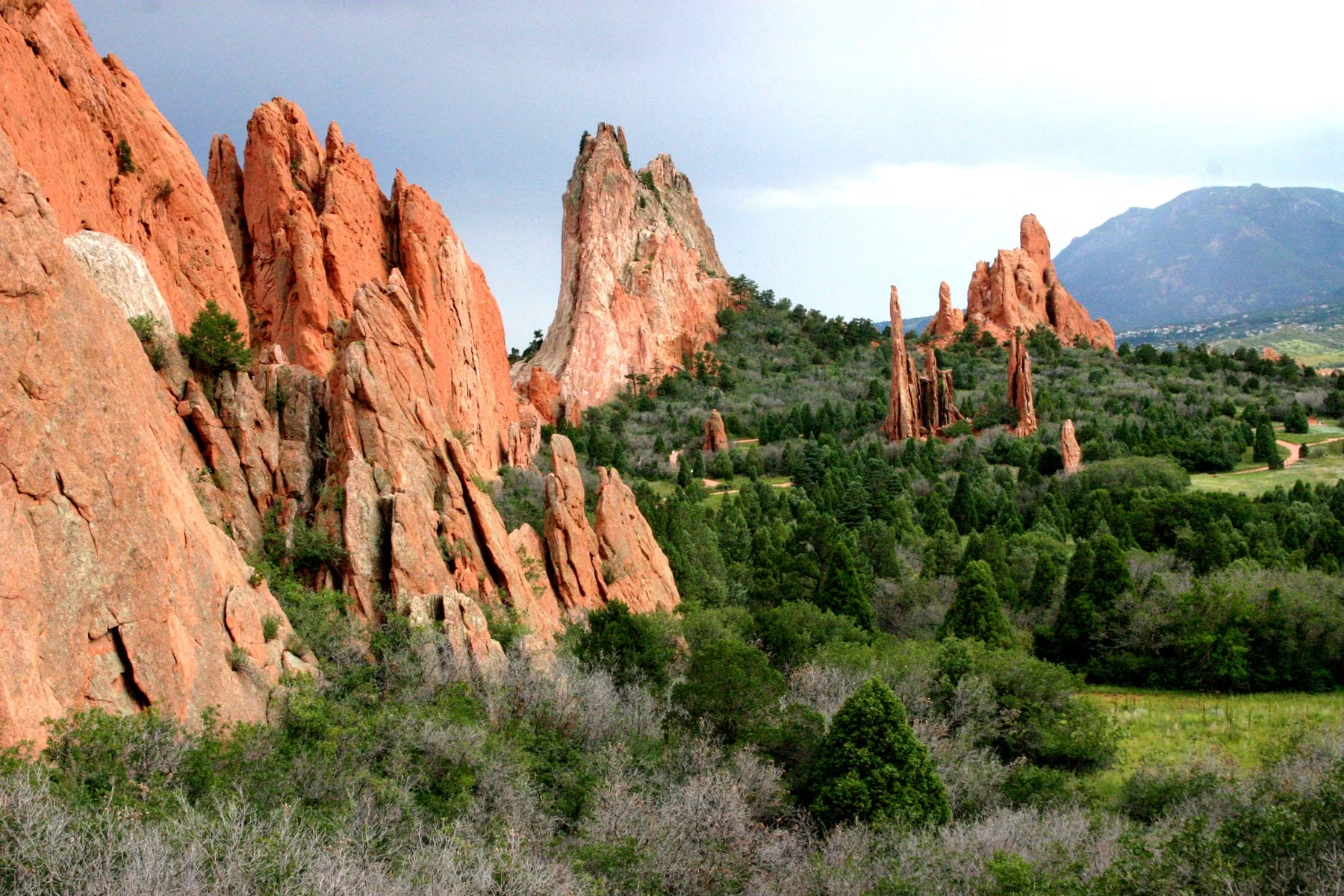
Garden of the Gods gets treated like a postcard, but locals know it is more complicated than that. The red rock formations are stunning, yes, but the park also carries the weight of heavy visitor demand. A sunny weekend can turn a peaceful visit into a slow crawl of cars, crowded pullouts, and packed trails.
That pressure is exactly why the park matters in local news. Parking, trail care, visitor safety, and preservation all collide in one place. The counterintuitive truth is that a free public park can become one of the city’s hardest spaces to manage because everyone feels ownership over it.
For families, the park still works best when the visit has a simple plan. Early mornings give you cooler air, easier parking, and softer light on the rocks. Late afternoons can be beautiful too, but they require patience and a backup idea.
Red Rock Canyon Offers Room Without Losing Drama
Red Rock Canyon Open Space often feels like the local answer to Garden of the Gods crowding. It has red stone, open views, climbing areas, and trails that feel less staged. The place has a rougher personality, which is part of the appeal.
This is where many residents go when they want scenery without the full tourist crush. It serves hikers, runners, dog walkers, climbers, and people who want a quick reset after work. That mix can create tension, especially when trail etiquette slips or parking gets tight.
Red Rock Canyon proves that access does not mean unlimited use. A place can feel wild and still need careful public behavior. The smartest visitors treat it less like a backdrop and more like shared ground.
Local Hiking Trails That Shape the City’s Outdoor Identity
Trails in Colorado Springs do more than connect points on a map. They connect neighborhoods, skill levels, and different ideas of what outdoor life should feel like. Some residents want a hard climb. Others want a safe loop with children. The city’s strength is that both needs can exist close together.
Local Hiking Trails Make Fitness Feel Less Like a Chore
Local hiking trails give residents something gyms cannot copy: a reason to keep going after the workout ends. Palmer Park is a strong example because it sits inside the city yet feels surprisingly removed once you start moving. The trails wind through rock, scrub oak, and open views without demanding a full-day commitment.
That convenience matters. People stick with outdoor habits when the barrier is low. A person can finish work, change shoes, and be on dirt before dinner. That is not a luxury in a busy city; it is a public health asset hiding in plain sight.
The unexpected part is that shorter trails often do more for daily life than famous summits. A modest loop used three times a week can change someone’s mood, routine, and connection to place more than one dramatic hike a year.
Steeper Routes Reward Preparation, Not Ego
Colorado Springs has trails that tempt people into overestimating themselves. The Manitou Incline, nearby mountain routes, and exposed foothill paths can punish poor timing, weak shoes, low water, or a casual attitude toward weather. Local coverage often pays attention when outdoor excitement turns into rescue work.
That does not mean people should avoid challenging routes. It means they should respect them. A hard trail is not a personality test. It is a physical space with heat, elevation, loose footing, and fast-changing conditions.
The best hikers in town are not always the fastest. They are the ones who turn around before trouble, carry water without being reminded, and know that pride has no place on a mountain trail.
Family Outdoor Activities That Work Beyond the Tourist Map
Families need outdoor spaces that do not punish small mistakes. A great view matters, but bathrooms, shade, parking, safe paths, and flexible exits matter more when kids are tired or grandparents are along. Colorado Springs has several places that understand that reality better than the glossy travel lists do.
Family Outdoor Activities Need Comfort Built Into the Plan
Family outdoor activities work best when the day has breathing room. Cheyenne Mountain State Park is useful because it gives families a calmer structure than some busier city landmarks. The trails, picnic areas, wildlife viewing, and open space allow people to adjust the pace instead of forcing one big dramatic outing.
Parents know the difference between a successful outdoor day and a forced march. Children may love rocks, birds, and open fields, but they also need snacks, breaks, and a way to leave before the mood collapses. Good outdoor planning accepts that instead of fighting it.
A quiet insight here: the best family memories often come from the least ambitious plan. One short trail, one picnic table, one deer spotted near the trees. That can beat a packed itinerary every time.
Colorado Springs Parks Give Neighborhoods Their Outdoor Backbone
Colorado Springs parks do more than fill green space on a city map. They give neighborhoods places to gather, cool off, walk dogs, host youth sports, and keep children active close to home. Memorial Park, America the Beautiful Park, and smaller community parks all serve different parts of that daily need.
These spaces may not always get the same attention as mountain landmarks, but they carry steady local value. A splash area, playground, open field, or shaded walking path can shape how a family experiences its own neighborhood. That kind of usefulness deserves more respect.
Colorado Springs parks also show how outdoor access depends on maintenance. Clean restrooms, safe equipment, clear paths, and working lights are not small details. They decide whether a public space feels welcoming or neglected.
Scenic Weekend Trips That Keep Colorado Springs Connected to Nature
A strong outdoor city needs more than famous central attractions. It needs nearby escapes that can absorb weekend energy without making every plan feel crowded. Around Colorado Springs, the best short trips offer variety: mountains, canyons, overlooks, wildlife areas, and quieter corners where people can still hear themselves think.
Scenic Weekend Trips Can Start Before Sunrise
Scenic weekend trips often work best when you beat the rush. Pikes Peak is the obvious giant, but the experience changes depending on timing, weather, and expectations. A drive or outing connected to the mountain can feel peaceful in the morning and slow by midday.
That rhythm matters for locals. The same destination can either restore you or drain you depending on when you go. People often blame the place when the real problem was the plan.
The smarter approach is simple. Leave early, check conditions, bring layers, and accept that mountain weather does not care about your schedule. That humility turns a busy regional icon into a day worth remembering.
Quiet Edges Often Deliver the Better Story
North Cheyenne Cañon Park and Ute Valley Park show another side of the outdoor scene. They are not hidden secrets, but they offer moments that feel more grounded than the biggest attractions. Trails bend through trees, rock, ridges, and pockets of silence that make the city feel farther away than it is.
These are the places where locals often build repeat rituals. A morning walk before errands. A Sunday climb with a friend. A short loop after a stressful week. The value is not always dramatic, and that is the point.
Scenic weekend trips do not need to chase the loudest landmark. Sometimes the better choice is the place that lets the day slow down without asking you to perform adventure for anyone else.
Outdoor News, Safety, and the Responsibility of Sharing Public Land
The more popular these places become, the more responsibility shifts onto everyone who uses them. Outdoor access is not automatic. It depends on funding, maintenance, visitor behavior, emergency response, and public patience. Colorado Springs can keep its outdoor culture strong only if residents and visitors treat these spaces as living public assets.
Local News Helps Turn Small Changes Into Shared Awareness
Local coverage matters because outdoor conditions change. Trail repairs, wildlife warnings, fire risk, weather shifts, event closures, and road delays can all affect a simple day outside. A person who checks updates before leaving is not overplanning. They are respecting the place and everyone else using it.
This is where outdoor reporting earns its value. It can help residents avoid wasted trips, reduce preventable rescues, and understand why certain rules exist. A closure may feel annoying until you know it protects a damaged trail or reduces danger after storms.
The best outdoor users stay informed without becoming fearful. They adapt, choose another spot, and keep the larger system healthier by not forcing access where conditions are poor.
Better Visitors Make Better Outdoor Cities
Colorado Springs does not need perfect visitors. It needs thoughtful ones. Pack out trash, stay on marked trails, control dogs, yield with courtesy, and stop treating fragile spaces like disposable scenery. None of that is complicated, but it changes everything.
The hard truth is that popularity can harm the same places people claim to love. A single careless visit may seem small. Thousands of careless visits become erosion, conflict, crowding, and public frustration.
The better path is not to gatekeep the outdoors. It is to raise the standard for how people enter it. When visitors act like temporary caretakers instead of consumers, the whole city benefits.
Conclusion
Colorado Springs has the rare advantage of living close to places that still feel larger than daily stress. That advantage can disappear in small ways if people treat access as a guarantee instead of a shared responsibility. The trails, parks, canyons, and overlooks need more than admiration. They need smart planning, patient use, and residents who pay attention to what local updates are trying to tell them.
The next wave of interest in Colorado Springs outdoor spots should not be about chasing the same crowded photo locations. It should be about choosing the right place for the right day, respecting limits, and leaving each space ready for the next person. That is how a city keeps its outdoor soul without wearing it down.
Before your next weekend plan, check conditions, choose with care, and give the place more respect than the camera asks for.
Frequently Asked Questions
What are the best outdoor places to visit in Colorado Springs for first-time travelers?
Garden of the Gods is the strongest first stop because it gives visitors dramatic scenery without a difficult hike. Red Rock Canyon Open Space, North Cheyenne Cañon Park, and Pikes Peak also offer strong outdoor experiences, depending on time, weather, and fitness level.
Which Colorado Springs parks are best for families with kids?
Cheyenne Mountain State Park, Memorial Park, America the Beautiful Park, and Garden of the Gods work well for families. The best choice depends on whether you want playgrounds, short walks, picnic space, wildlife viewing, or scenic trails with easy exit points.
Are Colorado Springs trails safe for beginner hikers?
Many trails are beginner-friendly, but safety depends on preparation. Start with shorter routes, bring water, wear proper shoes, and check weather before leaving. Palmer Park and easier Garden of the Gods paths are better starting points than steep mountain routes.
When is the best time to visit outdoor attractions in Colorado Springs?
Morning is usually the best time, especially on weekends. You will often find cooler temperatures, easier parking, and lighter crowds. Afternoon weather can change quickly near mountain areas, so early planning helps avoid heat, storms, and traffic pressure.
What should visitors know before hiking near Colorado Springs?
Elevation, sun exposure, and fast weather changes can surprise visitors. Carry water, use sunscreen, stay on marked trails, and avoid pushing past your comfort level. A short hike done well is better than a long route that turns risky.
Do Colorado Springs outdoor areas get crowded on weekends?
Popular places can get crowded, especially Garden of the Gods, Pikes Peak routes, and trailheads near the city. Arriving early, choosing lesser-known parks, or visiting on weekdays can make the experience calmer and more enjoyable.
What outdoor spots near Colorado Springs are good for photos?
Garden of the Gods, Red Rock Canyon Open Space, Pikes Peak viewpoints, and North Cheyenne Cañon Park offer strong photo opportunities. The best photos usually come during early morning or late afternoon when the light is softer and crowds are lighter.
How can visitors protect Colorado Springs outdoor spaces?
Stay on trails, pack out trash, respect wildlife, control pets, and follow posted rules. Small choices matter because heavy use adds up fast. Treat every park and trail like a shared place, not a one-time stop on a travel list.