
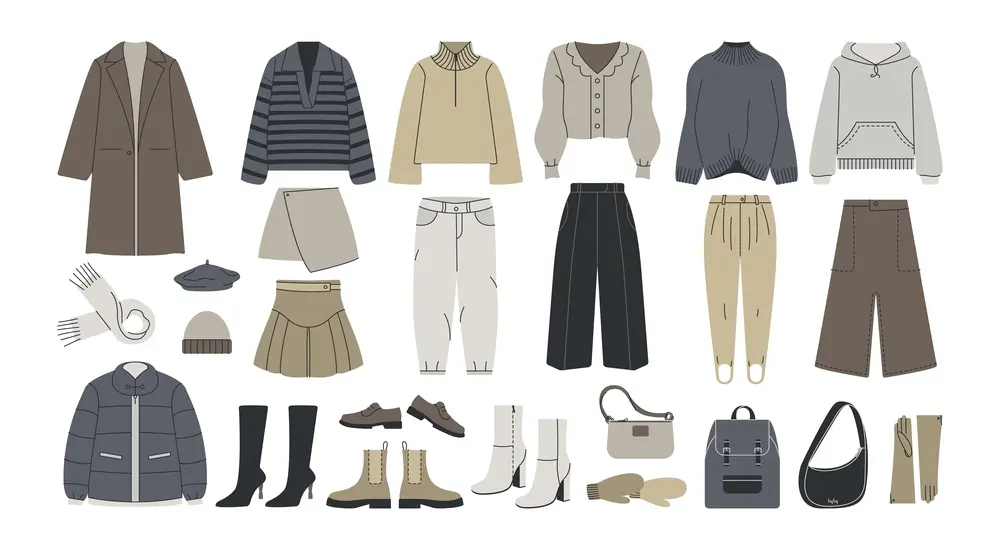
A good cart can still turn into a bad closet. Anyone in the U.S. who has bought jeans at midnight, waited five days, opened the package, and felt betrayed by the fit knows the feeling. Online shopping tips matter because fashion buying on a screen asks you to judge fabric, cut, scale, color, and comfort without touching a thing. That is not casual browsing. That is decision-making with missing senses.
The upside is strong, though. American shoppers now have more access than ever to small brands, better price windows, wider size ranges, and style inspiration beyond the local mall. A smart fashion buyer can compare pieces, study details, and build a better wardrobe without wasting Saturday in crowded fitting rooms. Helpful style resources like digital fashion discovery platforms can also point shoppers toward fresh brands and smarter buying choices when the usual stores start feeling stale.
The goal is not to buy more. The goal is to buy with fewer regrets. Better fashion finds come from slowing down at the right moments, asking sharper questions, and refusing to let a sale tag do your thinking.
Online Shopping Tips That Start Before You Open the Cart
The best purchase often happens before the product page ever loads. Most bad fashion orders begin with a vague mood, not a clear need. You feel bored with your closet, see a model wearing a sharp jacket, and convince yourself that one item will fix everything. That is how clothes end up hanging with tags still attached.
Build a Real Closet Gap List Before Browsing
A closet gap list sounds plain, but it saves money fast. Instead of opening a store site and reacting to whatever appears, write down what your wardrobe is actually missing. A woman in Chicago might need a warm wool coat that works with office pants and weekend denim. A college student in Austin might need breathable tops that survive long walks across campus.
This list should be specific enough to stop impulse buying. “Need black shoes” is too loose. “Need low black loafers for work dresses and straight-leg jeans” gives your brain a target. That target keeps you from buying sparkly heels because they looked good under a flash sale banner.
A good gap list also reveals patterns. You may notice that you keep buying statement tops but never have simple bottoms to wear with them. That is not a style problem. It is a planning problem hiding inside your cart.
Separate Want, Need, and Repeat Purchases
Every item in your cart belongs in one of three groups: want, need, or repeat. A need solves a clear problem in your wardrobe. A want adds flavor. A repeat is something you already own in slightly different packaging. Most fashion regret lives in the repeat category.
Take black sweaters as an example. One may be ribbed, one cropped, one oversized, and one fitted. They feel different on the product page, but they may play the same role once they reach your closet. The counterintuitive move is to remove the item you like most if it repeats a job you already covered.
This does not mean shopping should feel joyless. Want pieces matter because style needs personality. The trick is to let one want stay in the cart only after the needs make sense. That small order of operations changes everything.
Reading Product Pages Like a Careful Buyer
Product pages are designed to make buying feel easy. Your job is to make it honest. The page will show the best angle, the best lighting, and the best body match for that piece. You need to read past the polish and look for the details that predict real-life wear.
Check Fabric Content Before You Trust the Photo
A dress can look expensive in a photo and feel cheap in your hand. Fabric content is where the truth begins. Cotton, linen, wool, silk, viscose, polyester, nylon, and elastane all behave differently. A summer shirt with linen may wrinkle, but it can breathe well in a humid Florida afternoon. A polyester blouse may hold color, but it can feel warm during a packed commute.
The mistake is treating fabric like a boring detail. It is the part of the garment that touches your skin all day. A blazer with some wool can drape better than a flat synthetic one. Jeans with too much stretch may feel great at breakfast and sag by dinner.
Strong fashion finds usually match the fabric to the job. Office pants need recovery. Vacation dresses need airflow. Winter coats need insulation, not only a flattering photo. Product images sell the fantasy, but fabric decides the daily experience.
Use Size Guides Like Evidence, Not Decoration
Size guides are not perfect, but ignoring them is worse. U.S. sizing can shift wildly between brands, especially across fast fashion, premium labels, and boutique stores. A medium in one brand can fit like a small somewhere else. The tag is not the truth. Your measurements are closer.
Keep a soft measuring tape near your closet and record your bust, waist, hips, inseam, shoulder width, and preferred rise. Then compare those numbers to the size chart before buying. This takes two minutes and can prevent a week of returns.
Model details help too. If the model is 5’10” and wearing a small, that midi dress may hit a 5’3″ shopper near the ankle. If the jeans look cropped on a tall model, they may be full length on someone shorter. Size guides tell one part of the story, but model height turns that story into something useful.
Finding Better Value Without Falling for Fake Urgency
Price can trick even careful shoppers. A discount feels like a win because the brain compares the sale price to the original price, not to the actual usefulness of the item. That is why a $38 blouse marked down from $98 can feel smart even when you have no place to wear it.
Compare Online Clothing Deals Across Real Use
Online clothing deals should be judged by cost per wear, not the size of the markdown. A $120 coat worn three times a week all winter may be a better buy than a $25 party top worn once. The cheaper item may drain more value because it never earns its space.
American shoppers see constant promotions around Memorial Day, Labor Day, Black Friday, Cyber Monday, and end-of-season clearances. Those windows can help, but only when the item was already on your list. A deal that creates a need is not a deal. It is advertising doing push-ups in your head.
A practical test works well: would you still want the item if it were full price? If the answer is no, the discount is carrying the whole decision. That usually means the piece belongs back on the shelf, even if the timer says the sale ends in ten minutes.
Watch for Quality Clues Hidden in Small Details
Quality is not always about luxury labels. Some affordable pieces hold up well because the basics are done right. Look closely at seams, lining, buttons, zippers, hems, pockets, and pattern alignment. A striped shirt with mismatched side seams can look sloppy no matter how cute the photo seemed.
Customer photos often reveal more than brand photography. A handbag may look structured in studio lighting but collapse in a buyer’s mirror selfie. A sweater may look smooth on the model but show pilling after one review mentions two wears. These small clues help you avoid pieces that age badly.
The unexpected truth is that some “boring” garments are the smartest buys. A plain navy cardigan with tight stitching and stable shape may serve you longer than a trendy jacket with loud hardware. Better value often looks quiet at first.
Reducing Returns, Regret, and Closet Waste
Returns feel harmless because many stores make them easy. The problem is that returns still cost time, energy, packaging, and sometimes money. They also train you to buy carelessly because you assume every bad decision can be undone later. That habit gets expensive in a different way.
Read the Return Policy Before the Price Wins
A return policy can change the true cost of an item. Some stores offer free returns, some deduct shipping, some give store credit only, and some require returns within a short window. Final-sale fashion can be risky, especially with fitted clothing, shoes, swimwear, and formalwear.
Read the policy before checkout, not after the package disappoints you. A $19 final-sale skirt is not cheap if it fits badly and cannot leave your closet. A slightly higher-priced item from a store with fair returns may be the calmer buy.
Shoes deserve extra caution. U.S. shoppers know that sizing can shift across brands, and comfort is hard to judge online. For boots, heels, and flats, scan reviews for words like narrow, wide, stiff, arch, blister, and break-in. Those words tell you what the product page politely avoids.
Create a Try-On System the Day the Package Arrives
The first try-on should happen while the return window is still wide open. Do not throw the package in a corner and wait until Sunday night. Try every item with the shoes, underwear, jackets, and bottoms you would actually wear with it. A blouse that works only with one fantasy outfit is not ready for real life.
Use natural light if possible. Bathroom lighting can flatter or punish color in strange ways. Walk, sit, bend, raise your arms, and check the back view. Clothes are not still-life objects. They need to survive movement.
Keep the item only if it earns a clear role. That does not mean every piece must be practical. A dress for dinner dates can earn its place. A bright bag can earn its place. The question is whether it has a real future, not whether it gave you a quick thrill when you opened the box.
Conclusion
The smartest shopper is not the person who finds the biggest discount. It is the person who knows when to close the tab. Fashion buying online rewards patience, self-knowledge, and a small amount of healthy suspicion. The photo may be beautiful, the sale may be loud, and the reviews may sound promising, but your closet has the final vote.
Better decisions start with clearer standards. Measure your body, study fabric, question markdowns, read the return policy, and try pieces on with the life you actually live. Online shopping tips are not about turning style into homework. They are about protecting your money, your time, and your confidence from lazy purchases.
The next time you shop, build the cart slowly and edit it like someone who respects their own wardrobe. Buy the piece that can hold its place after the excitement fades.
Frequently Asked Questions
What are the best ways to avoid bad fashion purchases online?
Start with a closet gap list, then compare each item against your real wardrobe. Check fabric, measurements, reviews, model height, and return terms before checkout. Bad purchases often happen when shoppers buy a mood instead of a piece with a clear role.
How can I tell if clothing will fit before ordering online?
Measure your body and compare those numbers to the store’s size chart. Read reviews from shoppers who mention height, weight, body shape, or fit notes. Model height also helps you judge length, especially for jeans, coats, dresses, and skirts.
Are online clothing deals always worth buying?
A discount only matters when the item solves a real wardrobe need. Judge deals by cost per wear, not the original price. A cheap piece that sits unused costs more than a higher-priced item you wear often.
What should I check in a fashion return policy?
Look for the return window, refund method, shipping fees, final-sale rules, and condition requirements. Some stores offer store credit instead of money back. Read those terms before checkout, especially for shoes, formalwear, swimwear, and fitted items.
How do I choose better fabrics when shopping online?
Match fabric to purpose. Cotton and linen can feel breathable, wool can add warmth, and elastane can improve movement. Read the full fabric content instead of trusting photos alone, because texture and comfort rarely show clearly on a screen.
Why do clothes look different when they arrive?
Studio lighting, model styling, camera angles, pinning, and editing can make clothing appear sharper than it feels in daily life. Customer photos often give a more honest view of color, drape, thickness, and fit.
How can I shop online without overspending on fashion?
Set a budget before browsing and keep a written list of wardrobe gaps. Wait before buying sale items, especially when urgency timers appear. Removing repeat purchases from your cart often cuts spending without weakening your style.
What is the best first step for smarter online fashion shopping?
Start by knowing what your closet lacks. A clear list helps you ignore random trends, weak discounts, and pieces that duplicate what you already own. That one habit makes every later choice easier.