

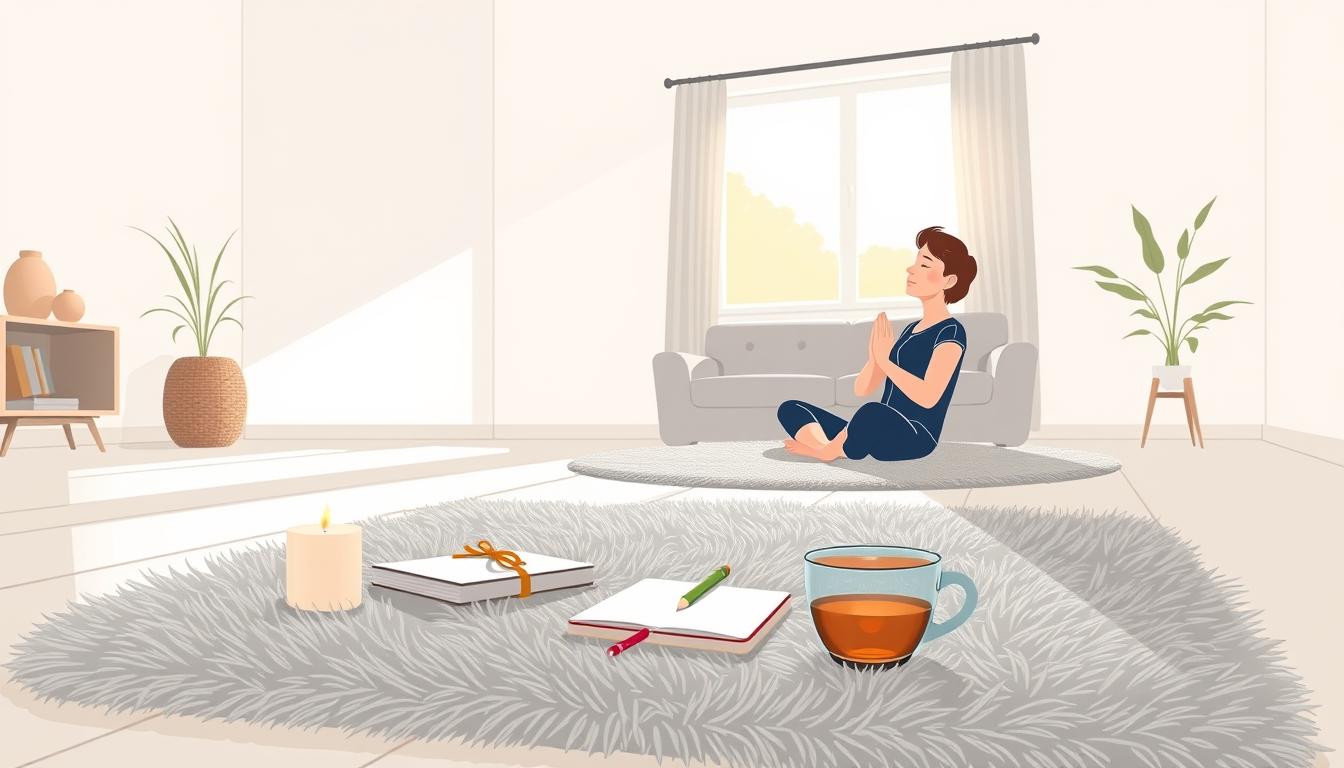
A calm life is not built during perfect weeks; it is built on the messy Tuesday when everything wants a piece of you. Most people in the U.S. are not looking for a dramatic life reset—they need mental health habits that fit between school drop-off, work messages, bills, traffic, aging parents, and the quiet pressure to keep smiling. Inner steadiness starts when your day stops running your nervous system like an emergency room.
That is why small, repeatable choices matter more than big promises. A five-minute pause before answering email can change the tone of an entire morning. A firm bedtime can do more for your mood than another late-night scroll through wellness advice. Even the way you talk to yourself while making coffee can either sharpen stress or soften it. For readers who care about healthier daily living, practical wellness guidance can support the same idea: peace grows best when it is worked into ordinary life.
Inner calm is not silence, escape, or pretending life is lighter than it is. It is the ability to stay in contact with yourself while life keeps moving. That kind of calm is not automatic. You build it through rhythm, boundaries, rest, attention, and honest self-respect.
Mental Health Habits That Make Calm Easier to Keep
The first step toward steadier days is accepting a plain truth: your mind listens to your schedule. When every hour is crowded, your thoughts become crowded too. Calm needs room, and most Americans have trained themselves to treat room as laziness.
Build a Daily Calm Routine Before Stress Takes Over
A daily calm routine works best when it starts before your mood falls apart. Waiting until you feel overwhelmed is like waiting until your car is smoking before checking the oil. Prevention is less dramatic, but it works better.
A simple morning reset can be enough. You might drink water before checking your phone, step outside for two minutes, or write the one thing that actually matters today. The point is not to create a perfect ritual. The point is to tell your brain, early, that the day will not own you.
Many people make the mistake of designing routines that belong to someone else’s life. A parent in Ohio with two kids and a 7 a.m. commute does not need a slow sunrise routine copied from a lifestyle video. They need something honest: shoes by the door, lunch packed the night before, and ten quiet breaths in the car before walking into work.
Protect Your First Hour From Mental Noise
The first hour of your day sets the emotional temperature. If you begin with news alerts, unpaid bills, social media, and work messages, your mind starts the day under attack. No wonder you feel behind before breakfast.
A better first hour does not have to be silent. It has to be chosen. Play music while making breakfast. Let the dog out without taking your phone. Read one page from a book instead of absorbing twenty opinions from strangers.
The counterintuitive part is this: calm often comes from removing options, not adding practices. Fewer tabs. Fewer decisions. Fewer voices before your own voice has had a chance to show up.
Emotional Balance Starts With Boundaries You Can Actually Keep
Emotional balance is not about being even-tempered every minute. That idea sets people up to feel guilty for being human. Real balance means you can feel anger, worry, sadness, or pressure without handing them the steering wheel.
Say No Before Resentment Becomes Your Personality
Resentment usually begins as a quiet yes you did not mean. You agree to one more favor, one more call, one more unpaid task, one more family demand. Then you wonder why you feel sharp around people who never technically did anything wrong.
A healthy no is not rude. It is maintenance. In many American workplaces, people are praised for being available, flexible, and easy to reach. That praise can become a trap when your peace depends on being liked by everyone.
Start with small boundaries that do not require a speech. “I can’t take that on this week.” “I’ll reply tomorrow morning.” “I’m not available Sunday.” Short boundaries are often stronger because they do not invite a courtroom debate.
Stop Treating Every Feeling Like an Emergency
Strong feelings can feel urgent, but urgency is not always truth. Anxiety may tell you to fix everything tonight. Anger may tell you to send the text right now. Shame may tell you to disappear. None of those instructions need instant obedience.
Emotional balance improves when you create a pause between feeling and action. That pause can be physical. Put the phone down. Walk to another room. Drink water. Look out a window. Give your nervous system a minute to catch up with your values.
This is where maturity gets practical. You are not trying to become a person who never reacts. You are trying to become a person who notices the reaction soon enough to choose what happens next.
Stress Relief Habits That Fit Real American Days
Stress relief habits fail when they require a life most people do not have. A single worker in Chicago, a nurse in Dallas, and a retired couple in Arizona all need relief that fits real schedules, real bodies, and real budgets. The answer is rarely fancy.
Use Movement as a Pressure Valve, Not a Fitness Test
Movement does not need to become a performance. A ten-minute walk after dinner can drain tension from the body before it hardens into irritability. Stretching beside the bed can tell your muscles that the day is over.
Many people avoid movement because they connect it with weight loss, gym culture, or past failure. That is a shame. Your mind does not need a perfect workout to benefit from motion. It needs circulation, breath, and a break from sitting with pressure locked in your chest.
One grounded example is the after-work reset walk. Before entering the house, walk around the block once. No podcast. No phone call. Let the workday leave your body before you step into your kitchen. Small? Yes. Soft? Not at all.
Create One Screen-Free Pocket Every Day
Screens are not the enemy, but constant input is rough on the mind. Your brain was not built to process your cousin’s vacation, a tragic headline, a work alert, a sale countdown, and a stranger’s argument in the same five minutes.
One screen-free pocket can change the feel of a day. Try meals without the phone, a no-scroll bedroom rule, or the first ten minutes after work with nothing playing. Silence may feel odd at first because noise has become the default companion.
The unexpected benefit is boredom. A little boredom lets your mind sort itself. Thoughts settle. Feelings rise. Problems become clearer. You may discover that what felt like anxiety was mental clutter asking for less stimulation.
A Peaceful Mindset Comes From Honest Self-Talk
A peaceful mindset is not positive thinking pasted over pain. It is the way you speak to yourself when life feels unfinished, unfair, or heavier than planned. The voice in your head matters because you live with it all day.
Replace Harsh Inner Commentary With Useful Truth
Many people talk to themselves in a tone they would never use with a friend. They call themselves lazy, dramatic, broken, behind, or weak. Then they wonder why rest does not feel restful. The mind cannot relax under constant insult.
Useful truth sounds different. It does not flatter you. It does not lie. It says, “This is hard, and I can take the next step.” It says, “I made a mistake, and I can repair it.” That tone builds strength without cruelty.
A peaceful mindset becomes easier when you stop confusing self-attack with accountability. You can hold yourself responsible without becoming your own enemy. In fact, responsibility works better when shame is not driving the car.
Give Your Mind Fewer Battles to Fight
Your mind has limited daily energy. Spending it on comparison, old arguments, imagined disasters, and impossible standards leaves little for actual living. Peace often starts when you stop signing up for every internal fight.
Comparison is one of the loudest battles. Someone else’s house, body, marriage, job, or vacation can make your real life feel smaller than it is. Social media makes this worse because it turns private insecurity into a public scoreboard.
Choose fewer battles on purpose. Let the unanswered email wait until morning. Let the stranger’s opinion pass without reply. Let the house be lived-in on a busy week. Calm grows when your mind learns that not every loose thread deserves your hands.
Rest, Relationships, and Recovery Need More Respect
The deeper work begins after you stop treating calm like a solo project. Your body, your sleep, and your relationships all shape your mind. Inner steadiness becomes harder when you are tired, isolated, and pretending you should handle everything alone.
Take Sleep Seriously Before Your Mood Pays the Price
Sleep is often the first thing people trade for productivity, entertainment, or unfinished chores. The bill arrives later as irritability, cravings, fog, and low patience. A tired brain turns small problems into courtroom dramas.
A better sleep rhythm starts before bedtime. Dim the lights earlier. Stop arguing online at night. Put tomorrow’s clothes somewhere visible. Give your brain fewer reasons to stay on alert after your body gets into bed.
This is not about becoming strict in a joyless way. It is about protecting tomorrow’s version of you. The person waking up at 6:30 a.m. deserves better than the leftovers from tonight’s scrolling spree.
Let Safe People Help You Regulate
Calm is easier around people who do not make you perform. One honest conversation with a steady friend can lower pressure that hours of overthinking could not touch. Humans are wired for connection, even when independence gets praised as strength.
The key is choosing safe people, not simply familiar people. A safe person listens without turning your pain into gossip. They can disagree without humiliating you. They make room for your truth without needing the spotlight.
American culture often celebrates handling things alone. That can build grit, but it can also build loneliness with better branding. Letting someone sit with you in a hard season is not weakness. It is repair in motion.
Conclusion
Calm will never come from controlling every part of life. Traffic will still happen. Bills will still show up. People will still disappoint you. The goal is not to build a life with no pressure; it is to build a self that does not collapse every time pressure knocks.
Balanced mental health begins when your daily choices stop betraying your inner needs. That means cleaner mornings, firmer boundaries, honest rest, kinder self-talk, and relationships that let you breathe. None of these require a dramatic reinvention. They require repetition, and repetition is where real change hides.
Start with one habit today, not ten. Choose the one place where your mind feels most crowded and give it a little space. Your next step does not need to impress anyone; it only needs to be real enough that you can repeat it tomorrow.
Frequently Asked Questions
What are simple daily habits for better inner calm?
Start with a steady wake time, a phone-free first few minutes, light movement, and one planned pause during the day. These small actions help your mind feel less rushed and give your nervous system a clearer rhythm to follow.
How can I improve emotional balance during stressful weeks?
Protect sleep, reduce unnecessary commitments, and pause before reacting to strong feelings. Emotional balance grows when you stop treating every demand as urgent and give yourself enough space to respond with thought instead of pressure.
What is the best daily calm routine for busy adults?
The best routine is short enough to repeat. Try water, two minutes of breathing, a quick priority note, and no phone until after that reset. A routine that fits your real morning will beat a perfect plan you abandon.
How do stress relief habits help mental wellness?
They give pressure somewhere to go before it builds into tension, irritability, or exhaustion. Walking, stretching, quiet time, and screen breaks help your body settle, which makes clearer thinking easier during demanding days.
How do I build a peaceful mindset without ignoring problems?
Name the problem honestly, then focus on the next useful action. A peaceful mindset does not deny pain or pressure. It keeps you from turning every challenge into proof that you are failing.
Why do boundaries matter for inner calm?
Boundaries protect your time, attention, and emotional energy. Without them, other people’s needs can fill your whole day. Clear limits help you stay generous without becoming drained, resentful, or constantly available.
Can better sleep improve my mental health?
Yes, sleep affects mood, focus, patience, and stress response. A tired brain has less room for calm thinking. A steady bedtime routine, fewer screens at night, and a consistent wake time can make daily life feel more manageable.
How long does it take to feel calmer from new habits?
Some changes can feel helpful within days, especially better sleep or less phone use. Deeper calm takes longer because your nervous system learns through repetition. Start small, stay steady, and judge progress by how you respond under pressure.