
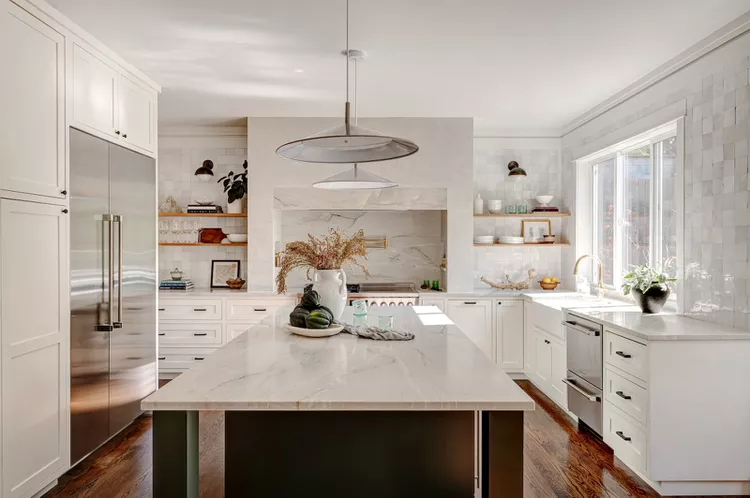
A kitchen can look polished in photos and still punish you every time dinner needs to happen. Functional kitchen layout ideas matter because daily cooking has a rhythm: pull food from the fridge, rinse it, chop it, cook it, plate it, and clean the mess before it spreads. When that rhythm breaks, even a beautiful kitchen starts to feel like a bad hallway with cabinets.
Most American homes ask the kitchen to do more than cook. It becomes a breakfast stop, homework zone, coffee station, drop spot, snack counter, and weekend gathering place. That is why smart planning should begin with movement, not finishes. A useful layout does not need to be huge or expensive. It needs clear paths, honest storage, durable surfaces, and a setup that respects how you live. For homeowners comparing remodeling choices, resources like home improvement planning guides can help frame upgrades around long-term value instead of quick visual changes.
Start With Cooking Flow Before Choosing Cabinets
Good layout planning begins with the work you repeat most. A kitchen that supports daily cooking should make basic tasks feel close, natural, and low-friction. The mistake many homeowners make is starting with cabinet colors, island size, or appliance style before they understand how food moves through the room.
A strong layout acts like quiet choreography. You should not cross the kitchen five times to make eggs, wash vegetables, or unload groceries. The best kitchens save steps without feeling cramped.
Build the Prep Zone Around Real Habits
A prep zone needs more than open counter space. It needs the right counter space in the right place. The sweet spot is usually between the sink and cooktop, with knives, cutting boards, mixing bowls, trash, and frequently used seasonings close enough to grab without wandering.
A family in a typical Dallas ranch house may have a long counter beside the fridge, but if the sink is across the room, that counter becomes a landing zone instead of a true prep space. Moving the main cutting area closer to water can change the whole feel of cooking. You rinse lettuce, chop onions, scrape scraps, and wash your hands without breaking pace.
Small kitchens need even sharper choices. A 36-inch stretch of clear counter beside the sink can outperform a long cluttered countertop on the wrong side of the room. Counter space only helps when it sits where your hands already want to work.
Keep the Cooking Triangle Flexible, Not Frozen
The classic work triangle still has value, but modern kitchens need more than a neat line between sink, fridge, and stove. Many homes now have dishwashers, microwaves, air fryers, coffee machines, recycling bins, and pantry cabinets pulling traffic in different directions.
A better way to think about it is task distance. The fridge should be close enough for ingredient runs. The sink should sit near prep. The stove should have landing space on both sides. The dishwasher should open without blocking the main cooking path. That last part matters more than many people admit.
Open-plan homes add another wrinkle. In a suburban kitchen where kids move through the room after school, the snack path should not cut through the hot cooking zone. A drawer fridge, snack cabinet, or pantry shelf near the kitchen edge can keep traffic away from boiling pasta and sharp knives. That is not fancy design. It is self-defense.
Kitchen Layout Ideas That Make Small and Medium Spaces Work Harder
The best kitchen layout ideas do not fight the size of the room. They accept the limits, then use them with discipline. Small and medium kitchens can cook beautifully when every foot has a job and no feature is added because it looked good in someone else’s home.
Bigger is not always better. A giant kitchen with poor placement can feel slower than a compact galley where everything sits within reach. Efficiency has a quiet luxury of its own.
Use Galley and L-Shaped Layouts With Intention
Galley kitchens get dismissed unfairly. A well-planned galley can be one of the strongest daily cooking layouts because the two walls keep storage, prep, and cooking close. The danger comes when both sides become crowded with competing tasks. One side should usually carry cooking and prep, while the other handles storage, cleanup, or pantry functions.
In an older Chicago apartment, a narrow galley may not allow an island or breakfast table. That does not make the kitchen weak. It means the layout should protect counter space, use tall storage, and avoid deep cabinets that turn into black holes. Pull-out shelves and vertical tray dividers can do more good than another decorative fixture.
L-shaped kitchens work well when one leg supports cooking and the other supports cleanup or prep. The open corner can connect to a dining area without forcing guests into the main work path. The corner cabinet needs attention, though. A lazy Susan, blind-corner pullout, or simple drawer stack can prevent wasted storage in one of the most awkward spots in the room.
Treat the Island as a Tool, Not a Trophy
An island should earn its footprint. Too many remodels squeeze one into a kitchen that needed breathing room more than a centerpiece. If the island blocks the fridge, narrows the dishwasher path, or forces people to turn sideways, it is not helping.
A useful island gives you clear landing space, storage, seating, or a second prep zone. It should leave comfortable walkways around all sides, especially near the stove, sink, and refrigerator. In many American homes, 42 inches of clearance feels far better than a tight 36 inches when two people cook together.
The counterintuitive choice is sometimes a smaller island or no island at all. A movable work table, peninsula, or slim butcher-block cart can give you flexible prep space without locking the kitchen into a traffic problem. The goal is not to own an island. The goal is to cook without bumping hips into cabinet corners.
Design Storage Around What You Reach for Every Day
Storage is not about having more cabinets. It is about placing items where they reduce work. A kitchen with fewer cabinets can feel calmer than a wall of storage that hides everything in the wrong zone.
Daily cooking exposes bad storage fast. If pans live far from the stove, mugs sit across the room from the coffee maker, or lunch containers are buried above the fridge, the kitchen trains you to waste time. Better storage starts by watching what your hands reach for on an average Tuesday.
Put Heavy, Frequent Items Below the Counter
Lower drawers beat lower cabinets for many cooking tasks. Pots, pans, lids, mixing bowls, and food storage containers are easier to pull out from a drawer than dig from a deep shelf. You see everything at once, and you do not have to crouch like you are searching a cave.
A common mistake is putting heavy cookware in upper cabinets because the lower cabinets are already full of random appliances. That setup gets old fast. Cast-iron pans, Dutch ovens, and big mixing bowls belong where your body can handle them without strain.
In a family kitchen in Ohio or Georgia, this may mean giving one wide drawer near the range to everyday pans and another near the prep counter to bowls and measuring tools. It sounds simple, but simple is often where the daily win lives. The best storage decision is the one you stop noticing because it works every time.
Create Stations for Coffee, Lunch, and Cleanup
A cooking layout gets stronger when repeated side tasks have their own places. Coffee supplies should live near the coffee maker. Lunch bags, wraps, containers, and kid-friendly snacks should sit together. Dish towels, soap, trash bags, and cleaning sprays should stay near cleanup.
This station-based thinking prevents the whole kitchen from turning into a scavenger hunt. A coffee station near the edge of the kitchen also keeps early morning traffic away from the stove. Someone can make coffee while another person cooks breakfast without stepping into the same two feet of floor.
Cleanup deserves special attention. The trash, recycling, sink, and dishwasher should work as a small system. When the dishwasher door is open, you should still be able to stand at the sink and scrape plates. When unloading, plates and glasses should go into nearby storage instead of forcing you across the room with every stack.
Make the Layout Durable Enough for Real Family Life
A kitchen layout is not finished when it looks balanced on paper. It has to survive spills, rushed mornings, guests leaning on counters, kids opening the fridge, and someone cooking while another person unloads the dishwasher. Daily life is the true test.
That is why Functional Kitchen Layout Ideas for Daily Cooking should account for traffic, cleaning, safety, and maintenance. A kitchen that only works when empty is not functional. It is staged.
Protect Walkways From Appliance Conflicts
Appliance doors create hidden traffic problems. Refrigerator doors swing wide. Dishwashers drop down. Ovens need landing space. Pantry doors open into walkways. These details look small until two people try to cook during a busy weeknight.
A French-door refrigerator can help in tighter kitchens because each door needs less swing room. A drawer microwave may work better in an island than an over-the-range microwave if several people use it during meal prep. A wall oven can reduce bending, but only if there is safe counter space nearby for hot trays.
One overlooked issue is collision. A dishwasher door should not block the sink, trash pullout, or main walkway. A refrigerator should not open into the island so tightly that someone has to step back to get milk. These are not luxury concerns. They are the difference between a kitchen that feels calm and one that nags you every day.
Choose Surfaces and Lighting That Support the Work
Good layout planning includes what you touch and what you see. Countertops should handle real cooking, not demand constant fear. Quartz, solid surface, butcher block, laminate, and stone can all work, but each asks for different care. The right choice depends on your tolerance for stains, heat, scratches, and maintenance.
Lighting carries more weight than many homeowners expect. A kitchen needs general light, task light, and targeted light over prep areas. Recessed lights alone can cast shadows when you stand at the counter. Under-cabinet lighting fixes that problem by putting light where the knife work happens.
Flooring matters too. A slick floor near the sink is a bad idea. A surface that hides every crumb may sound appealing, but it can also hide spills until someone steps in them. Practical choices are not boring. They are the reason the kitchen still feels good six months after the remodel excitement fades.
Conclusion
The smartest kitchen decisions rarely come from chasing a showroom look. They come from asking better questions. Where do groceries land? Where do you chop? Who crosses the room during dinner prep? Which cabinet makes you mutter under your breath every week? Those answers reveal more than any trend board.
A strong kitchen layout respects motion, storage, safety, and cleanup in equal measure. It gives the cook room to think. It gives the family room to move. It keeps beauty tied to use, which is the only kind of beauty that lasts in a hard-working home.
Functional kitchen layout ideas should make daily cooking feel less like a negotiation with the room and more like a routine that finally has support. Before changing finishes, study one full week of how your kitchen behaves. Notice the friction, name it, and fix the layout around that truth first. Build the kitchen that helps you cook on an ordinary night, because that is the kitchen you will love the longest.
Frequently Asked Questions
What is the best kitchen layout for daily cooking?
The best layout keeps the sink, stove, fridge, prep counter, and trash within easy reach without crowding the cook. Galley, L-shaped, U-shaped, and island kitchens can all work well when the main cooking path stays clear and storage supports daily habits.
How much walkway space should a functional kitchen have?
Most kitchens feel better with about 42 inches of clearance around busy work zones. Smaller spaces may work with less, but tight walkways near the dishwasher, oven, or refrigerator can create daily frustration when more than one person uses the kitchen.
Are kitchen islands always good for cooking layouts?
Islands are useful only when they improve prep, storage, seating, or serving without blocking movement. A cramped island can hurt the kitchen more than help it. In smaller rooms, a peninsula, work table, or movable cart may work better.
How do I plan kitchen storage for everyday meals?
Start with the items you use most: pans, knives, boards, bowls, spices, plates, and food containers. Place each one near the task it supports. Heavy items belong in lower drawers, while daily dishes should sit close to the dishwasher for easier unloading.
What kitchen layout works best for a small home?
A galley or L-shaped layout often works best in small homes because it keeps the main tasks close together. The key is protecting clear counter space, using vertical storage, and avoiding oversized features that block movement through the room.
Where should the refrigerator go in a kitchen layout?
The refrigerator should sit near the cooking and prep zones, but it should also be easy for family members to reach without crossing into the hot cooking area. Many homes work best when the fridge sits near the kitchen edge.
How can I make my kitchen easier to clean?
Place the trash, sink, dishwasher, and dish storage close together. Choose surfaces that match your cleaning habits, add under-cabinet lighting, and avoid layouts where appliance doors block cleanup. A cleanable kitchen starts with fewer wasted steps.
What should I fix first in a poor kitchen layout?
Fix the biggest daily friction first. That may be a blocked walkway, poor prep space, bad lighting, or storage in the wrong place. Small changes such as drawer organizers, trash pullouts, or better task lighting can improve the kitchen before a full remodel.