
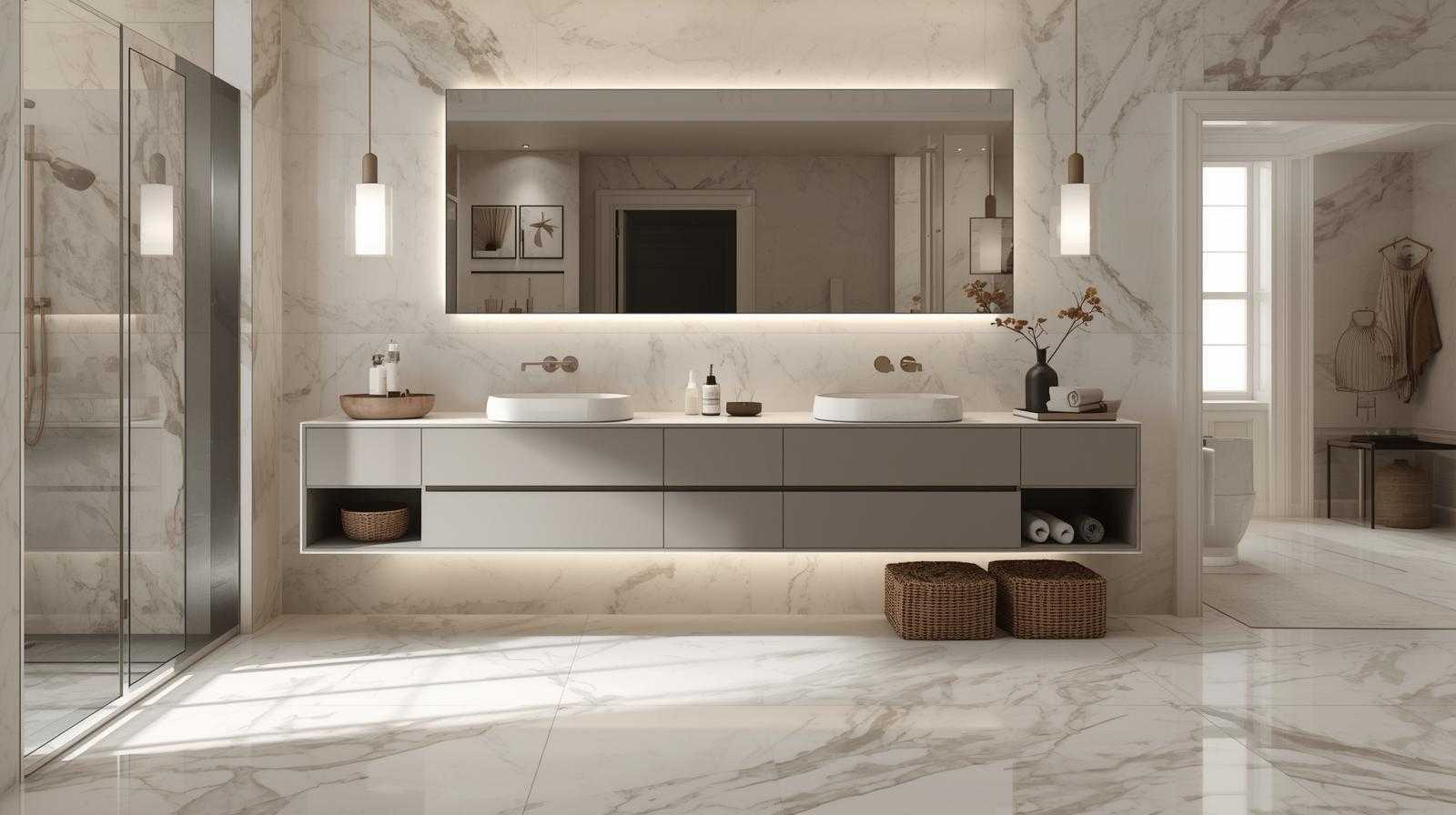
A bathroom can look clean at sunrise and fall apart before lunch. Toothpaste, hair tools, skin care bottles, towels, razors, and cleaning sprays all land around the sink because the vanity becomes the room’s daily control center. That is why bathroom vanity ideas matter more than most people think. A pretty cabinet helps, but a smart one saves time, lowers stress, and keeps your morning from turning into a countertop traffic jam.
For many U.S. homes, the issue is not luxury. It is layout. A family in a suburban Ohio ranch, a renter in a Chicago apartment, and a couple updating a Florida condo all need the same thing: storage that matches real routines. Good design starts with how you live, not with what looks impressive on a showroom wall. Resources like home improvement planning guides can help homeowners think beyond surface upgrades and focus on daily function.
The best vanity earns its space every morning. It holds what you reach for, hides what you do not want to see, and gives the bathroom a calm rhythm before the day gets loud.
Bathroom Vanity Ideas That Start With Real Daily Habits
A vanity fails when it is planned like furniture instead of a work zone. The sink area handles grooming, storage, cleaning, medicine, guest prep, and sometimes laundry overflow. One cabinet cannot solve all of that by looking expensive. It has to answer the small, repeated problems that wear people down.
Build Storage Around What You Touch First
The smartest vanity begins with the first five minutes of your morning. If your toothbrush, face wash, deodorant, and hair brush all live in different places, the room feels messy even when it is technically clean. Daily-use items deserve the easiest reach because they shape the pace of the whole room.
A good setup gives the top drawer to small essentials and keeps backup items lower. That sounds simple, but many homeowners do the opposite. They place bulk bottles, extra soap, and guest towels in prime drawer space, then leave daily products scattered by the sink. The result is a vanity that stores plenty but serves poorly.
A family bathroom in a busy Dallas home, for example, may need divided top drawers for each child. One drawer can hold toothbrushes, combs, and school-morning basics. Another drawer can hold a parent’s shaving kit or skin care. The counter stays clear because every person has a landing spot.
The counter should hold less than you think. A soap pump, one tray, and maybe a small cup are enough for most homes. When the counter becomes open space instead of storage space, the whole bathroom looks cleaner before anything else changes.
Give Every Messy Item a Better Home
Some bathroom items are awkward by nature. Hair dryers have long cords. Electric toothbrush chargers create clutter. Cotton swabs spill. Makeup palettes stack poorly. Cleaning sprays look ugly beside folded towels. A vanity should absorb those problems before they reach the surface.
Pull-out bins work better than deep shelves for bottles and sprays. Drawer dividers beat open drawers for small tools. A slim interior outlet can keep electric razors and toothbrushes charging out of sight. These choices matter because mess often comes from friction, not laziness.
A counterintuitive move helps here: do not overfill a vanity after adding organizers. Empty space is part of the system. A drawer with breathing room opens faster, cleans faster, and tells you when you own too much. Packed storage hides problems until the drawer stops closing.
This is where bathroom storage solutions should feel personal rather than copied from a catalog. A vanity used by a teenager needs different compartments than one used by overnight guests. A powder room needs less depth but stronger visual order. A primary bath needs storage that supports two people without turning every morning into negotiation.
Choosing the Right Vanity Size, Shape, and Sink Setup
Once the daily routine is clear, size becomes easier to judge. Many bad vanity choices happen because people shop by wall width alone. A cabinet can technically fit and still make the bathroom harder to use. The better question is how the vanity affects movement, door swings, cleaning, and shared routines.
Small Spaces Need Breathing Room More Than Bulk
A small bathroom punishes oversized furniture. The vanity may promise more storage, but it can steal knee room, block the doorway, and make cleaning around the toilet harder. In compact bathrooms, a slimmer cabinet with smarter drawers often beats a wider one with dead corners.
A small bathroom vanity works best when it protects floor space. Floating styles make the room feel lighter because you can see more flooring. Narrow-depth cabinets also help in older U.S. homes where bathrooms were built long before modern storage habits took over. A 19-inch depth may serve better than a standard 21-inch depth when every inch matters.
One smart trick is choosing drawers over cabinet doors. Doors need swing room, and deep lower cabinets can become dark caves where extra shampoo goes to disappear. Drawers bring items forward, which means you actually use what you own.
The surprise is that a smaller vanity can make the room feel more expensive. When the walkway is open and the counter is uncluttered, the bathroom reads as intentional. Crowding a tiny room with a bulky cabinet sends the opposite message, even if the cabinet cost more.
Shared Bathrooms Need Clear Zones
A shared bathroom has a different problem. It needs fairness. Two people brushing teeth, styling hair, or getting ready for work need enough room to avoid bumping elbows. That does not always mean choosing the largest cabinet on the wall. It means planning zones that reduce conflict.
A double sink vanity makes sense when two people use the space at the same time. In a primary bathroom before a weekday commute, two sinks can save patience as much as minutes. Each person gets a faucet, a drawer stack, and a section of counter that feels owned.
Still, a double sink is not always the winner. In a smaller shared bathroom, two sinks may leave almost no counter space. One wide sink with strong drawer storage can sometimes work better. That is the detail many showrooms skip. More plumbing does not always mean more function.
A couple renovating a Boston condo might choose one centered sink with wide drawers because counter space matters more than simultaneous brushing. A family in a large Atlanta home might choose two sinks because school and work schedules collide. The right answer comes from traffic, not trend.
Storage Details That Make the Vanity Easier to Live With
Storage is where a vanity either becomes a quiet helper or a daily irritation. The outside may set the style, but the inside decides whether the bathroom stays clean after real people use it. Good storage respects habit. Great storage changes it without making the user feel managed.
Use Drawers, Trays, and Vertical Space With Intention
Drawers are the workhorses of modern bathroom design. They reduce bending, keep items visible, and make categories easier to maintain. A drawer for dental care, a drawer for hair tools, and a drawer for skin care can do more for the room than one giant cabinet ever will.
Trays add another layer of control. A removable tray under the sink can hold cleaning cloths and sprays. A shallow tray in the top drawer can catch lip balm, tweezers, floss, and nail clippers. When the tray gets messy, you lift it out, clean it, and put it back. That small convenience keeps the system alive.
Vertical space also deserves attention. The back of a cabinet door can hold a slim rack for a hair brush or flat iron sleeve. Tall bottles can sit in a pull-out caddy instead of lying on their sides. Even a narrow side shelf can hold rolled washcloths without crowding the counter.
A second round of bathroom storage solutions should focus on maintenance, not storage volume. The best vanity setup is the one you can reset in three minutes. If cleaning the counter requires moving twelve objects, the system is already fighting you.
Plan for Plumbing Instead of Fighting It
Under-sink plumbing creates strange shapes inside a vanity. Many homeowners ignore that until the cabinet arrives. Then the drainpipe steals the middle, the drawers hit the trap, and storage becomes a compromise. Better planning turns plumbing into a design boundary instead of a surprise.
U-shaped drawers can wrap around pipes and still give access to daily items. Offset sinks can free one side for full drawers. Wall-mounted faucets can open up counter depth, though they need careful installation behind the wall. In older houses, a plumber should check pipe placement before you order a custom cabinet.
This is one place where saving money too aggressively can backfire. A cheap vanity with poor drawer clearance may cost less at checkout but create years of annoyance. The real price of a bad cabinet shows up every time you kneel on the floor to search behind a drainpipe.
A small bathroom vanity especially needs plumbing-aware storage. Since the cabinet has less room to waste, every notch, drawer depth, and shelf position matters. When the inside is planned around the pipes, the outside can stay calm and simple.
Lighting, Materials, and Finishes That Support Daily Comfort
A functional vanity is not only about storage. It also affects how clearly you see, how easily you clean, and how long the bathroom holds up. The sink area takes splashes, steam, toothpaste marks, dropped makeup, and fast weekday use. Beauty counts, but comfort and durability carry the design after the first month.
Choose Lighting That Helps Faces, Not Walls
Bad vanity lighting makes even a well-designed bathroom feel off. A single ceiling fixture casts shadows under the eyes and chin. A bright overhead light can make shaving, makeup, and skin care harder because it lights the room instead of the face.
Good vanity lighting ideas usually begin at eye level. Side sconces placed near the mirror can soften shadows and make grooming easier. A lighted mirror can work well in a compact bathroom when wall space is limited. Warm, balanced bulbs often feel better than harsh blue-white light in a home bathroom.
A powder room can handle moodier lighting because guests use it for short visits. A primary bathroom needs accuracy. That difference matters. The light that looks dramatic during a renovation photo may annoy you during a Monday morning shave.
Another smart move is layered lighting. One ceiling light handles general brightness, while mirror lights handle detail work. This gives the room flexibility instead of forcing one fixture to do every job.
Pick Materials That Forgive Real Life
Vanity materials need to survive water, cleaners, and daily bumps. Painted wood can look beautiful, but it needs a good finish near sinks. Laminate can be practical in family bathrooms when chosen well. Quartz counters often suit busy homes because they resist stains and clean without drama.
Natural stone can look rich, but it asks for more care. Marble, for example, can stain or etch from common bathroom products. That does not make it wrong. It means it belongs with people who accept maintenance as part of the deal. A guest bath may handle that better than a kids’ bathroom.
Hardware also changes daily comfort. Knobs can catch on towels or robe sleeves in tight spaces. Pulls are often easier for children and older adults. Soft-close drawers sound like a small upgrade until you live with them, especially in a hallway bathroom near bedrooms.
A double sink vanity should use durable counter material because two users double the splash zone. Pair that with strong ventilation, sealed edges, and easy-clean hardware. The point is not to make the vanity indestructible. It is to make normal life less punishing.
Bringing Style and Function Into One Calm Bathroom Zone
The final vanity choice should feel calm, not overworked. A bathroom is a small room with a lot of visual noise: tile lines, mirror edges, faucets, towels, bottles, lights, and hardware. The vanity has to pull those pieces together without shouting over them.
Match the Vanity Style to the Home, Not the Trend Cycle
A vanity should make sense with the house around it. A shaker-style cabinet may feel right in a Midwest colonial. A floating walnut vanity may suit a newer California townhome. A clean white cabinet with brushed nickel hardware can work in a rental-friendly update because it blends without demanding attention.
Trends can help, but they should not drive the entire decision. Fluted fronts, vessel sinks, arched mirrors, and bold colors all have a place. The risk comes when the vanity looks current but ignores how the room functions. A vessel sink may reduce counter space. A dark matte finish may show dust. Open shelving may look airy in photos but collect clutter in a family bath.
A grounded design choice ages better. Pick one strong style move and let the rest support it. If the vanity has a rich wood grain, keep the hardware quiet. If the mirror has a bold shape, choose simpler cabinet lines. Restraint makes the room feel finished.
This is also a good place to revisit vanity lighting ideas. Lighting should match the style without sacrificing use. A beautiful fixture mounted too high becomes decoration pretending to help. Form and function should shake hands before you install anything.
Leave Room for the Bathroom to Change Over Time
A vanity does not live in a frozen room. Families grow. Guests change. Products change. A bathroom that works today should still have room to adjust two years from now. Flexible storage makes that possible.
Removable dividers, adjustable shelves, and open lower space for baskets can help the vanity adapt. A drawer that holds diapers today may hold hair tools later. A guest towel shelf may become storage for extra paper goods. Fixed storage looks neat at first, but flexible storage lasts longer.
One unexpected truth stands out: the best vanity is not always the one with the most features. It is the one that removes the most daily decisions. You know where things go. You see what needs refilling. You clean without rearranging the whole counter.
That is the real value of bathroom vanity ideas in a lived-in American home. They are not about copying a design photo. They are about making one of the busiest spots in the house feel steady, useful, and easy to reset. Start by clearing the counter, measuring the room honestly, and choosing storage that fits your routine before it fits anyone else’s opinion.
Frequently Asked Questions
What are the best bathroom vanity features for everyday use?
Drawers, divided storage, easy-clean counters, strong lighting, and soft-close hardware make the biggest daily difference. A useful vanity keeps common items close, hides clutter fast, and supports grooming without forcing you to move products around every morning.
How do I choose the right vanity size for a small bathroom?
Measure the wall, walkway, door swing, and toilet clearance before choosing a cabinet. A narrow-depth vanity, floating style, or drawer-based design can give you storage without making the bathroom feel crowded or hard to clean.
Is one sink or two sinks better for a shared bathroom?
Two sinks help when two people get ready at the same time. One wider sink can work better when counter space and storage matter more. The better choice depends on your schedule, bathroom size, and how often the room gets shared.
What countertop material works best for a busy bathroom vanity?
Quartz is a strong choice for many busy homes because it resists stains and cleans with little effort. Laminate can also work well on a tighter budget. Natural stone looks beautiful, but it needs more care around water, cleaners, and daily products.
How can I keep my vanity counter from looking messy?
Limit the counter to items you use several times a day. Store backups, tools, and extra products in drawers or bins. A small tray can help, but the real fix is giving every daily item a clear home inside the vanity.
What lighting is best around a bathroom vanity mirror?
Side sconces near eye level often give the most helpful face lighting. A lighted mirror can also work in tight spaces. Avoid relying only on ceiling lights because they cast shadows that make shaving, makeup, and skin care harder.
Are floating vanities practical for family bathrooms?
Floating vanities can work well when installed securely and paired with smart drawer storage. They make floors easier to clean and help smaller rooms feel open. For families, choose durable materials and enough closed storage to hide daily clutter.
How often should a bathroom vanity be updated?
A well-built vanity can last for many years, but hardware, lighting, organizers, and faucets may need updates sooner. If storage no longer fits your routine or water damage appears, it is time to rethink the setup before bigger problems grow.