

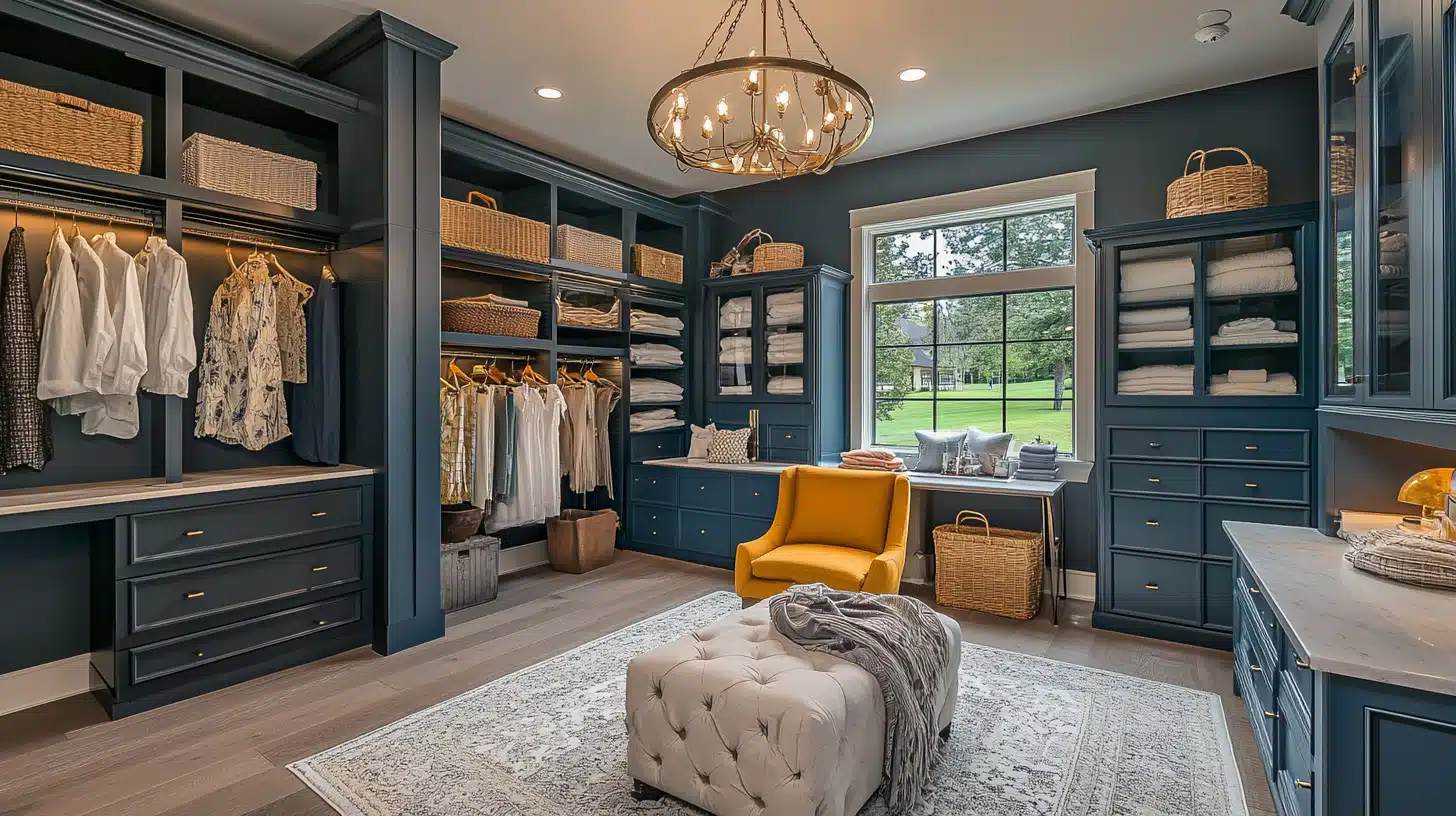
A messy closet can make a calm bedroom feel unfinished before the day even starts. Good closet design is not about owning a huge walk-in or buying every storage product on the shelf; it is about making your wardrobe match the way you live. The best closet design starts with honest choices, because most American homes have closets that were built for generic storage, not real routines. A reach-in closet in a Dallas apartment, a narrow wardrobe in a Boston condo, and a shared primary closet in an Ohio suburban home all need different thinking.
That is why practical planning matters more than pretty bins. A closet should help you get dressed faster, protect your clothes, and keep daily decisions from turning into a small morning battle. For homeowners comparing layouts, storage habits, and modern home organization ideas, the smartest move is to design around behavior first. Style comes later. When the closet works, the bedroom feels lighter, laundry has a place to land, and your wardrobe stops feeling bigger than it is.
Closet Design Tips That Start With Real Wardrobe Behavior
Most closet problems begin with pretending you live differently than you do. People design storage for the version of themselves who folds sweaters on schedule, hangs every shirt by color, and returns shoes to perfect rows. Then Monday arrives, laundry piles up, and the system breaks by breakfast.
A better closet begins with patterns. What do you wear three times a week? What do you avoid because it is hard to reach? What falls on the floor no matter how many times you clean? Those answers matter more than the closet photo you saved online.
Why daily-use zones beat perfect-looking sections
Daily-use zones give your closet a working order. Work clothes, school outfits, gym wear, jeans, shoes, and seasonal layers should not compete for the same eye-level space. The items you touch most often deserve the easiest reach.
A nurse in Phoenix who wears scrubs four days a week does not need her closet built around cocktail dresses. A remote worker in Denver may need clean shelves for sweaters, joggers, and casual layers instead of long hanging space. The point is not to judge the wardrobe. The point is to admit what earns prime space.
This is where many closet makeovers fail. They sort by category because it looks tidy in a photo, not because it matches use. A blazer worn twice a year should not sit where your Monday shirt belongs. Good storage has a memory, and that memory should follow your real week.
How closet inventory exposes wasted space
A closet inventory sounds boring, but it shows the truth fast. Count how many items need hanging, how many fold well, how many shoes stay in regular use, and how many accessories need small storage. Numbers stop guesswork from running the project.
Many American closets waste the lower third. Builders often install one rod and one shelf, leaving empty air below short shirts and blouses. That dead zone can hold a second rod, shoe shelves, drawers, or laundry baskets. The counterintuitive part is that adding structure can make a closet feel larger, even when it takes up more physical space.
A small reach-in closet can outperform a walk-in when every inch has a job. That is not a design trick. It is simple discipline. Storage should earn its spot the same way clothes do.
Build Better Wardrobes With Smart Space Division
After you understand how you use your clothes, the next move is division. A closet without zones becomes a storage bucket with doors. Everything technically fits, but nothing stays easy.
Space division turns the closet into a set of decisions already made for you. Hanging has a lane. Folded clothes have a lane. Shoes stop invading the floor. Accessories quit disappearing in the same drawer. Better wardrobes come from fewer daily negotiations.
When double hanging makes more sense than drawers
Double hanging is one of the fastest wins in a closet with shirts, blouses, jackets, kids’ clothes, or folded-over pants. Two rods can double useful hanging capacity in the same wall span, which matters in smaller U.S. homes where closets often lag behind modern clothing habits.
Drawers look cleaner, but they are not always the answer. If you hate folding, drawers become fabric caves. Clothes get buried, then forgotten. A second hanging rod may serve you better because it keeps items visible and easier to return.
A family in a two-bedroom Chicago apartment may gain more from double hanging in the kids’ closet than from a fancy dresser. School clothes can hang low enough for children to reach, while out-of-season items sit higher. That one shift can reduce morning friction without adding square footage.
How shelves should support, not swallow, clothing
Shelves work best when they are shallow enough to keep stacks under control. Deep shelves invite lost clothes. You fold a sweatshirt, place it behind another, and forget it exists until next winter.
Adjustable shelves solve this better than fixed cubbies. They let you change spacing as your wardrobe changes, which matters when seasons shift from summer shorts to winter knits. In many Midwest and Northeast homes, shelf height has to respect bulky sweaters, boots, and heavier coats for part of the year.
The unexpected truth is that open shelving is not always easier. It demands visual discipline. If you know stacks slide and piles spread, use baskets or pull-out shelves instead. A closet should match your habits, not shame them.
Make Small Closets Work Harder Without Feeling Packed
Small closets need restraint. The common mistake is stuffing them with organizers until the system has no breathing room. More compartments do not always mean more order. Sometimes they create more tiny places to hide clutter.
A small closet works when it protects access. You should be able to see, reach, and return items without moving half the wardrobe. That standard sounds modest, but it changes every choice inside the closet.
Why door space is useful but easy to overdo
Closet doors can hold belts, scarves, slim shoes, jewelry, or small bags. This space often gets ignored, especially in rentals where renters do not want permanent changes. Over-the-door systems can help without drilling, which makes them useful in apartments from Los Angeles to Atlanta.
Still, door storage can turn ugly fast. Heavy racks bang against the door. Shoes sag. Accessories tangle. If the door becomes a clutter board, the closet feels busier every time you open it.
Use door space for light, flat, repeat-use items. A few hooks for tomorrow’s outfit may do more good than a full rack of random extras. Small closets need quiet surfaces, too.
How lighting changes what you actually wear
Lighting may sound like a finishing detail, but it affects your choices. Dark closets hide stains, color mismatches, and forgotten pieces. When you cannot see what you own, you buy duplicates or keep wearing the same five outfits.
Battery-powered motion lights can upgrade a rental closet without wiring. LED strips under shelves can help deep corners. A simple stick-on light in a narrow hallway closet can make coats and shoes easier to manage during busy mornings.
Good lighting also changes behavior. You return items more carefully when the space is visible. You notice when a shelf gets crowded before it collapses into a pile. A bright closet does not make you tidier by magic, but it removes one excuse.
Choose Materials and Finishes That Survive Daily Use
Closet finishes are not only about appearance. They decide how well the space handles sliding hangers, dusty shoes, laundry baskets, humidity, and daily hand contact. A beautiful closet that scratches in one month is not beautiful for long.
Materials should match the pressure of the space. A primary closet needs stronger systems than a guest closet. A mudroom wardrobe needs finishes that tolerate grit. A child’s closet needs hardware that forgives rough use.
Why cheap hardware often costs more later
Closet rods, drawer slides, brackets, and shelf pins take constant stress. Weak hardware bends, loosens, or pulls out of the wall. Once that happens, the closet stops feeling reliable, even if the design still looks nice.
Solid installation matters as much as the product. Brackets should hit studs or strong anchors. Long rods need center support. Heavy drawers need slides rated for the load they will carry. This is the unglamorous side of closet planning, and it matters more than matching baskets.
A homeowner in a humid Florida house should also think about ventilation and finishes that resist swelling. A garage-adjacent wardrobe in Texas may need tougher surfaces near shoes, sports gear, and seasonal storage. The closet should be built for the room it lives in, not for a showroom wall.
How finishes affect the mood of the bedroom
Closets sit behind doors, but they still affect the feel of a bedroom. A chaotic interior can make the room feel unfinished. A calm finish, consistent hangers, and clean shelf lines can make even a modest closet feel intentional.
Light finishes help small closets feel more open. Wood tones add warmth in larger wardrobes. Matte surfaces hide fingerprints better than glossy ones, which matters when doors and drawers get touched daily.
The surprise is that matching everything is less important than reducing visual noise. You do not need a luxury custom system to create calm. You need fewer random colors, fewer broken hangers, and fewer items fighting for attention. Order has a look, even when the budget stays modest.
Keep the Closet System Flexible as Life Changes
A closet should not freeze your life in place. Clothes change. Jobs change. Kids grow. Weather shifts. Storage that works this year may feel wrong next year if it cannot adjust.
Flexibility protects the money and effort you put into the space. Adjustable rods, movable shelves, labeled bins, and open zones make the closet easier to revise without starting over. That matters in American homes where families often adapt rooms for work, school, guests, and hobbies.
Why seasonal rotation keeps closets honest
Seasonal rotation prevents everyday storage from drowning in items you cannot wear right now. Winter coats do not need front-row space in July. Linen shirts do not need to compete with wool layers in January.
Use higher shelves, under-bed bins, or labeled storage boxes for off-season pieces. Keep only the current season and a small set of transitional items within easy reach. This gives your daily wardrobe room to breathe.
The counterintuitive insight is that rotating clothes can make you buy less. When you pull items back into view each season, they feel fresh again. You remember what you own before a sale convinces you otherwise.
How shared closets need boundaries, not equal halves
Shared closets fail when both people assume fairness means identical space. Equal halves sound polite, but they rarely match real needs. One person may own more shoes, while the other needs more hanging room. One may dress for an office, while the other works from home.
Better boundaries come from use-based zones. Give each person dedicated daily space, then create shared areas for laundry, luggage, seasonal items, or formalwear. Clear zones prevent quiet resentment, which is a real storage issue even if no one calls it that.
A couple in a suburban New Jersey home may not need a bigger closet. They may need one person’s shoes moved to lower shelves and the other person’s work clothes moved to the easiest rod. Peace sometimes comes from six inches of smarter placement.
Conclusion
A better closet is not built by buying more containers. It is built by telling the truth about your routine, then giving every item a place that respects that routine. The strongest systems feel almost invisible because they remove small decisions before they become daily irritation.
That is the real value of closet design. It can make a bedroom calmer, a morning faster, and a wardrobe easier to enjoy without forcing you into someone else’s idea of neatness. Start with the clothes you wear most, fix the wasted zones, improve the lighting, and choose materials that can handle real life. Then keep the system flexible enough to change with you.
Do not wait for a perfect renovation budget. Open the closet, remove what no longer earns space, and make one smart improvement this week. A wardrobe that works better changes the whole room.
Frequently Asked Questions
What are the best closet organization ideas for small bedrooms?
Start by removing anything you do not wear, then add double hanging, slim hangers, and shallow shelves. Small bedrooms need closets that keep daily items visible. Door hooks and under-shelf baskets can help, but avoid adding so many organizers that the space feels packed.
How can I make a reach-in closet feel bigger?
Use vertical space, add lighting, and keep the floor clear. A second hanging rod can double useful storage for shorter clothes. Light-colored shelves and matching hangers also reduce visual clutter, which makes the closet feel wider and easier to use.
What should every wardrobe storage solution include?
A strong wardrobe storage solution should include hanging space, shelves, shoe storage, small-item storage, and a place for laundry or worn-once clothes. The exact mix depends on your routine. A good setup supports what you wear most, not what looks best online.
How often should I clean out my closet?
Clean out your closet at least twice a year, usually before spring and fall. Seasonal changes make it easier to spot what you skipped, outgrew, or no longer like. A quick monthly reset also keeps shoes, laundry, and accessories from taking over.
Are custom closets worth it for average homes?
Custom closets can be worth it when the current layout wastes space or fails your daily routine. They are not always needed, though. Adjustable shelves, better rods, lighting, and smart zones can improve many average closets without a full custom build.
What is the best way to organize shoes in a closet?
Keep everyday shoes at the easiest level, usually low shelves or a floor rack. Store special-occasion pairs higher or in labeled boxes. Avoid deep piles because they damage shoes and make pairs hard to find. Visibility matters more than squeezing in every pair.
How do I organize a shared closet without fighting over space?
Divide the closet by actual use instead of splitting it evenly. One person may need more hanging space, while the other needs more shelves or shoe storage. Clear zones, separate laundry spots, and shared seasonal storage can prevent daily frustration.
What closet features help protect clothes longer?
Smooth hangers, proper spacing, breathable storage, and clean shelves all help clothes last longer. Avoid overcrowding because it crushes fabric and traps moisture. Keep shoes away from delicate clothing, and use covered storage for seasonal pieces that sit untouched for months.