

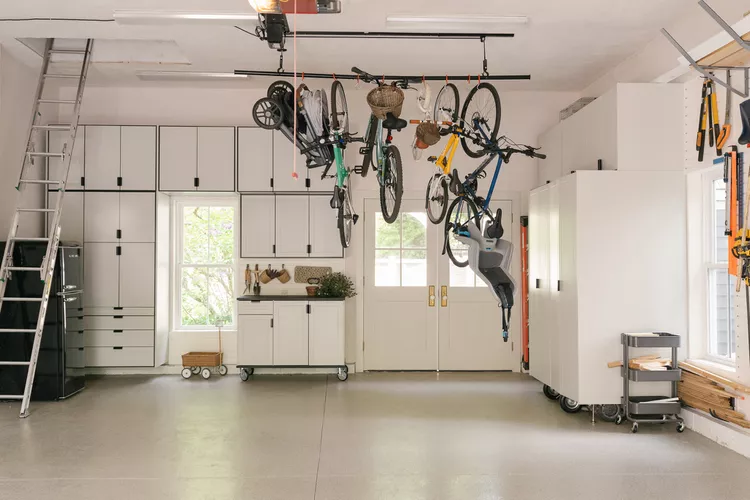
A messy garage has a way of spreading its bad habits into the rest of the house. Shoes land by the door, tools drift into the kitchen, holiday bins block the hallway, and before long, your home feels smaller than it is. Garage Storage Tips matter because most American homes do not have a garage problem. They have a decision problem.
The garage becomes the place where “later” goes to hide. Paint cans, sports gear, bulk paper towels, camping chairs, extension cords, and half-finished projects all end up sharing the same floor. That is how clutter wins. A cleaner home starts when the garage stops acting like a dumping zone and starts acting like a working room. For homeowners who care about smarter home upkeep and better daily systems, trusted home improvement planning resources like practical home organization guidance can help connect small storage choices to bigger household comfort.
The goal is not to create a showroom garage. That usually fails after one busy weekend. The better goal is simple: make every item easier to return than it is to abandon.
Build Storage Around Real Household Habits
A clean garage starts with honesty. Many families design storage around how they wish they lived, then wonder why the mess comes back. The garage should fit the real pace of your household, including rushed school mornings, late grocery runs, muddy sports gear, and the strange American habit of buying paper towels in packs large enough for a diner.
Why daily-use items need the easiest access
The items you touch every week deserve the best spots. That means dog leashes, lawn tools, reusable grocery bags, kids’ helmets, trash bags, and cleaning supplies should not be buried behind Christmas decorations. If your family has to move three bins to reach the leaf blower, the system has already lost.
Strong garage organization begins by ranking items by frequency, not by category alone. A snow shovel in Minnesota may need front-row access for five months. A beach umbrella in Phoenix might matter more than a rake. The right answer depends on your weather, your routines, and the way your family enters the house.
A useful test is simple. Walk from your car to the interior door and notice what you naturally touch, drop, or reach for. That path tells the truth. In many suburban homes, the garage entry works like a hidden mudroom, even when nobody designed it that way. Treat it like one, and the rest of the house gets cleaner fast.
How zones stop clutter before it spreads
A garage without zones becomes one large junk drawer. Zoning gives every group of items a neighborhood, which makes cleanup feel less like a full project. You do not need fancy labels to make this work. You need clear borders.
Create one zone for tools, one for sports gear, one for lawn care, one for household overflow, and one for seasonal items. A family in Ohio might keep winter salt and snow brushes near the garage door, while patio cushions sit higher on a shelf until spring. That kind of local thinking beats any generic setup.
Good storage solutions do not force people to think too hard. A basketball should land in a tall open bin, not inside a lidded tote on the top shelf. A drill should return to a charging station, not vanish into a drawer with loose screws and old batteries. The best system feels almost lazy. That is why it works.
The counterintuitive part is that open storage often beats hidden storage for busy items. Cabinets look cleaner, but they add steps. For things used often, visibility can be the difference between order and another pile on the floor.
Use Walls, Ceilings, and Corners Before the Floor
The garage floor is prime real estate, and most homes waste it badly. Once bikes, boxes, cords, and coolers spread across the concrete, the garage stops holding cars and starts holding stress. Better storage moves weight and clutter upward, outward, and into corners that usually sit unused.
Why vertical space changes the whole room
Walls do more than hold hooks. They create a storage map you can read from the doorway. That matters because clutter grows in blind spots. When items sit at eye level or hang in clear groups, you know what you own and where it belongs.
Garage shelving ideas work best when shelves match the weight and shape of what they hold. Deep shelves can handle storage tubs, but they are bad for small hand tools because things disappear in the back. Narrow shelves near a workbench can hold paint brushes, garden gloves, and hardware without turning into a cave.
Many American garages have one long blank wall that becomes a pile magnet. Turn that wall into a working strip. Add heavy-duty shelves at shoulder height, hooks below for folding chairs or ladders, and labeled bins above for seasonal gear. The floor opens up, and the room starts to breathe.
Wall systems also make shared responsibility easier. A child can hang a scooter helmet on a low hook. A teenager can return a tennis racket to a wall basket. Adults can see when supplies are running low. Order sticks better when everyone can read the room without asking.
Where overhead storage helps and where it hurts
Ceiling racks can rescue a packed garage, but they can also create a new kind of mess if used carelessly. Overhead space belongs to items you use a few times a year, not items you need during a rushed Tuesday. Camping bins, holiday décor, luggage, and off-season patio cushions make sense overhead.
Safety has to lead here. Heavy bins above a parked car or walkway need rated racks, secure installation, and sensible weight limits. A wobbly ceiling shelf is not storage. It is a future accident with a receipt attached.
For cleaner homes, overhead storage helps most when it removes bulky items that would otherwise sneak indoors. Think of artificial Christmas trees, inflatable pool toys, and folding guest chairs. These objects often migrate into closets, basements, and spare bedrooms because the garage has no plan for them.
The unexpected insight is that overhead storage should feel slightly inconvenient. That small friction keeps everyday items from ending up there. If something takes a ladder to reach, it should earn that distance by being seasonal, bulky, or rarely needed.
Choose Containers That Make Returning Items Easy
The wrong container creates clutter with a lid on it. Pretty bins can fail. Matching totes can fail. Clear boxes can fail. The container only works when it matches the object, the user, and the moment when the item gets put away.
Why lids are not always your friend
Lids protect items from dust, pests, and moisture, but they also add one more step. That step matters more than people admit. If a kid has to unclip a lid to put away a baseball glove, the glove will land on the floor. If an adult has to stack and unstack totes to reach furnace filters, the top tote may stay open for weeks.
Use lidded bins for long-term storage, not daily gear. Seasonal decorations, keepsakes, backup linens, and camping supplies belong in sealed containers. Daily items belong in open bins, hooks, wall baskets, or shallow drawers.
This is where garage organization gets practical. A deep open bin works for soccer balls because nobody cares if they pile up. A small parts organizer works for screws because loose hardware becomes useless fast. A tall trash-can-style holder works for rakes and shovels because long handles need vertical control.
Clear bins can help, but labels still matter. Garages get dusty, light changes through the day, and clear plastic grows cloudy over time. A label gives you a fast answer. Better yet, it gives guests, kids, and tired adults the same answer.
How matching size to behavior saves space
Oversized bins invite chaos. If you place one giant tote labeled “tools” on a shelf, you have not organized anything. You have created a box where tape measures, drill bits, zip ties, and mystery parts can fight in the dark.
Storage solutions should make categories small enough to stay meaningful. Instead of one bin for sports, create separate homes for balls, protective gear, rackets, and water toys. Instead of one shelf for paint, separate current wall colors from old mystery cans that no longer match anything in the house.
A real-world example shows the difference. A family in Texas may keep hurricane prep supplies, extension cords, batteries, tarps, and bottled water in one garage area. That zone needs strong bins and clear labels because the items matter during stressful weather. Random stacking would make the supplies harder to use when time matters.
The quiet truth is that storage is not about owning more containers. It is about removing hesitation. When the right container gives the item an obvious home, cleanup becomes a ten-second act instead of a weekend reset.
Keep the System Clean With Seasonal Resets
The garage changes with the calendar. A system that works in April may strain in November. Lawn tools trade places with snow gear. Patio items come inside. School sports change. Holiday boxes come down and go back up. A clean garage needs rhythm, not one heroic cleanup.
What to review at the start of each season
Seasonal resets should be short and firm. Walk the garage four times a year and ask what no longer belongs, what needs repair, what moved into the wrong zone, and what your household will use next. This rhythm keeps cleaner homes from depending on one exhausting annual purge.
Spring is a good time to inspect garden tools, hoses, outdoor toys, and car-cleaning supplies. Summer may call for easier access to coolers, sports gear, and pest-control products. Fall brings leaf bags, rakes, and school equipment. Winter shifts attention to snow tools, emergency supplies, and safe paths from car to door.
Garage shelving ideas should support that rotation. Keep current-season items between knee and shoulder height. Move off-season items higher or farther back. This keeps the garage from feeling overstuffed even when you own the same amount of stuff.
A seasonal reset also exposes waste. Old paint that dried out, broken planters, dead batteries, and cracked storage bins take up emotional space as much as physical space. Letting them go makes the garage easier to trust.
How to stop the garage from becoming a family dumping ground
Every home needs a landing zone, but the garage should not become a place where decisions die. The best defense is a small “sort later” area with limits. One shelf, one basket, or one marked bin can hold items that need a decision. When it fills, the household has to deal with it before adding more.
Garage Storage Tips work best when they include rules the family can follow without a speech. Put returns near the car. Keep donations in one labeled box. Store hazardous items away from kids and pets. Place trash bags where cleanup actually happens. Make the right action easier than the wrong one.
A garage also benefits from a monthly ten-minute reset. Not an overhaul. Not a dramatic weekend project. Walk the floor, hang stray items, flatten empty boxes, toss obvious trash, and return anything that wandered from its zone. Small resets prevent the mess from gaining confidence.
The unexpected part is that a little empty space is part of the system. Many people fill every shelf and call it organized. That leaves no room for a new bulk purchase, a school project, or a temporary repair job. Empty space is not wasted. It is breathing room for real life.
Conclusion
A cleaner garage does not come from buying every rack, bin, and cabinet in the aisle. It comes from building a system that respects how your household moves. The strongest setup gives daily items the easiest homes, moves bulky pieces off the floor, and keeps seasonal gear from invading closets and spare rooms.
There is no perfect garage, and chasing one can become its own kind of clutter. The better target is a garage that recovers fast after normal life hits it. That means bikes may come in dirty, tools may sit out during a project, and bulk groceries may wait near the door for an hour. Fine. A working system can absorb that without falling apart.
Garage Storage Tips should make your home feel calmer, not turn storage into another chore. Start with one wall, one zone, or one category that causes the most daily friction. Fix that first, then let the next choice become easier.
Give every useful item a home, remove what has expired or broken, and protect enough empty space for life to keep moving.
Frequently Asked Questions
What are the best garage organization ideas for a small home?
Start with wall storage, open bins, and one clear zone for daily-use items. Small homes need the garage to carry more household overflow, so floor space matters. Store seasonal items high, keep frequently used gear low, and avoid deep bins for anything used often.
How can I create cleaner homes by organizing the garage?
The garage often acts as the first stop between outside life and indoor rooms. When shoes, tools, sports gear, and bulk supplies have clear homes there, fewer items drift into kitchens, hallways, closets, and bedrooms. Cleaner entry points usually lead to cleaner rooms.
What garage shelving ideas work best for families?
Adjustable metal shelves work well because family needs change through the year. Use lower shelves for kid-safe items, middle shelves for household supplies, and upper shelves for seasonal bins. Keep heavy items low so nobody has to lift weight from above shoulder height.
How often should I reset my garage storage system?
A seasonal reset works well for most households. Review the garage in spring, summer, fall, and winter so current items stay easy to reach. Add a short monthly cleanup for trash, empty boxes, and stray items before small messes become full projects.
Are cabinets better than open shelves in a garage?
Cabinets work best for chemicals, sharp tools, and items that need protection from dust. Open shelves work better for everyday supplies because they are easier to see and return. Most garages need both, but daily-use items should not hide behind too many doors.
What should not be stored in a garage?
Avoid storing delicate fabrics, important papers, food that attracts pests, and temperature-sensitive items unless the garage is climate controlled. Many garages face heat, cold, and moisture swings. Paint, fuel, and chemicals also need safe storage away from children, pets, and ignition sources.
How do I organize sports gear in the garage?
Use open bins for balls, wall hooks for helmets, and vertical racks for bats, sticks, or rackets. Keep each sport in its own zone so kids can grab what they need without tearing through everything. The easier it is to return, the longer the system lasts.
What is the cheapest way to improve garage storage?
Start by removing trash, expired products, broken items, and duplicates. Then add hooks, labeled bins, and simple shelving where clutter already collects. Cheap storage works when it solves a real habit. Buying containers before sorting usually wastes money and space.