
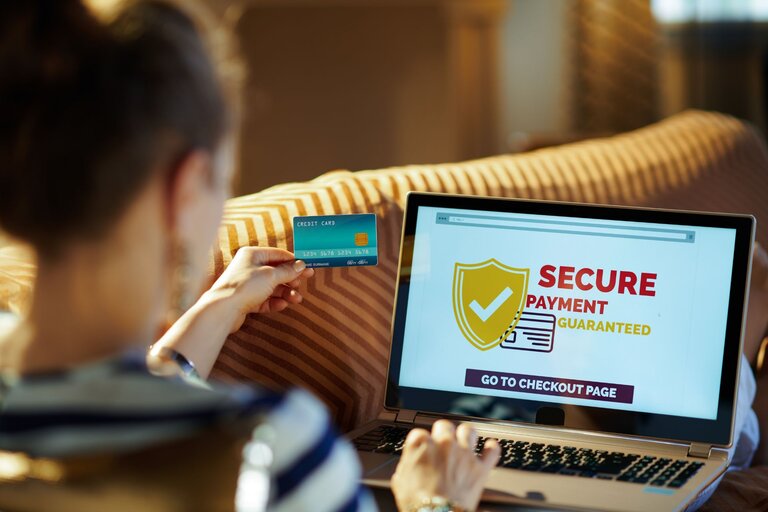
Buying online should feel convenient, not like handing your wallet to a stranger in a parking lot. Still, the smartest shoppers know that online payment safety starts before the checkout button, because the risk usually hides in the small details people rush past. A fake store can look polished. A payment link can feel normal. A discount can sound harmless until your card, account, or personal details are already in someone else’s hands.
American buyers deal with this every day, from marketplace sellers and delivery apps to holiday deals and social media shops. The fix is not fear. The fix is a calmer way to pay, one that gives you control before money leaves your account. Good habits help you spot weak checkout pages, avoid risky payment methods, and choose tools that protect you when an order goes wrong. For broader digital trust and business visibility, resources like online reputation support can also help people think more carefully about the brands they choose.
Online Payment Safety Starts Before Checkout
The safest payment decision often happens before you enter a card number. A buyer who slows down for thirty seconds can catch warning signs that a rushed shopper misses. That pause matters because scam stores do not always look messy anymore; many look clean enough to fool someone who only checks the price.
How Secure Checkout Signals Protect Buyers
A safe checkout page should feel boring in the best way. The web address should begin with “https,” the store name should match the domain, and the payment page should not bounce you through strange-looking links. These signals do not prove a store is honest, but their absence is a loud warning.
A buyer in Ohio ordering sneakers from a new site might see a huge discount, a countdown timer, and a checkout page with an odd domain name. That is the moment to stop. Real stores may run sales, but they rarely hide behind confusing payment pages or pressure you into acting before you can think.
Secure checkout also includes the way a site handles your information. A retailer should ask for only what it needs to process the order. When a small shop asks for extra identity details that do not fit the purchase, your caution should wake up.
Why Rushed Deals Create Bad Payment Choices
Scammers love urgency because it shuts down judgment. A “one hour only” deal makes you focus on missing out instead of checking whether the store deserves your money. That emotional squeeze is not an accident; it is the trap.
The counterintuitive truth is that the best deal is sometimes the one you skip. A real discount should survive a basic search, a review check, and a quick look at the refund policy. If the price vanishes the second you slow down, it was not a deal worth trusting.
You can also compare the product across familiar U.S. retailers. If every known store lists a laptop around $700 and one unknown site offers it for $199, the problem is not your luck. The problem is the offer.
Choosing Safer Payment Methods Without Overthinking
Once a store passes the first sniff test, the payment method becomes the next layer of defense. Not all payment options protect buyers the same way. Some leave a paper trail and dispute path, while others move money like cash tossed over a fence.
Why Credit Cards Often Beat Debit Cards Online
Credit cards usually give buyers stronger breathing room when something goes wrong. The money does not leave your checking account the same way it does with a debit card, and many card issuers have clear dispute processes for unauthorized charges or missing orders.
Debit cards are not useless, but they can create more stress after fraud. If a scam charge hits your checking account, rent, groceries, or utility payments may feel the impact before the bank finishes reviewing the claim. That delay can turn a bad purchase into a household problem.
A practical habit helps here: use one card for online shopping and keep the limit modest. That way, if a store, app, or payment processor gets compromised, the blast radius stays smaller.
How Digital Wallet Security Adds a Useful Buffer
Digital wallets can reduce how often you type card numbers into websites. Services such as Apple Pay, Google Pay, and PayPal often create a layer between the merchant and your actual card details. That buffer can help when you want convenience without handing every seller your raw payment information.
Digital wallet security still depends on your phone, password, and account settings. A wallet with weak login protection is not much better than a card left on a restaurant table. Turn on biometric login or strong passcodes, and avoid approving payment prompts you did not start yourself.
This is where buyer discipline matters. A wallet makes payment smoother, but smooth should not mean careless. Read the seller name on the approval screen before tapping confirm, especially inside apps or marketplace chats.
Spotting Payment Fraud Protection Gaps
Good buyers do not need to become fraud analysts. They need to notice the moments where protection disappears. Scams often push you away from normal checkout systems because normal systems create records, refund paths, and accountability.
Why Off-Platform Payments Are a Red Flag
Marketplace sellers sometimes ask buyers to pay through wire transfer, gift cards, crypto, cash apps, or “friends and family” transfers. The request may sound casual, but the goal is serious: move the payment outside the platform’s rules.
Payment fraud protection works best when the transaction stays inside a system that can review what happened. Once you leave that system, you may lose access to support, order tracking, or dispute options. That cheaper price can cost far more than the item.
A Facebook Marketplace buyer in Texas might find a used gaming console at a fair price. If the seller refuses local pickup, asks for a deposit through a no-refund transfer, and dodges basic questions, the safest move is to walk away. Real sellers may be busy, but they do not need to make payment feel slippery.
How Fake Support Messages Steal Payment Details
A common scam starts after a purchase, not before it. You may receive a text or email claiming there is a delivery issue, a failed payment, or a refund waiting. The link looks urgent, and the page asks for card details “to verify your account.”
This trick works because it catches people in a normal moment. Many Americans order packages weekly, so a delivery message does not feel strange. The strange part is the request for payment details when you did not start the contact.
The safer move is simple: never use the link in the message. Open the store, shipping carrier, or payment app yourself, then check the order from inside your account. That extra step feels small, but it breaks the scammer’s path.
Building Buyer Protection Into Everyday Shopping
Strong habits work best when they are easy enough to repeat. Nobody wants a security ritual that feels like filing taxes before buying dog food. The aim is to make safer shopping normal, quiet, and quick.
How Buyer Protection Policies Save Stress Later
Buyer protection matters most when the order goes sideways. A clear refund policy, delivery record, seller rating, and dispute process can turn a frustrating purchase into a fixable one. Without those pieces, you may be stuck arguing with a seller who never planned to help.
Read the return policy before buying from a new store. Pay attention to who covers return shipping, how long refunds take, and whether sale items are final. A vague policy is not always fraud, but it often signals a seller who does not want responsibility after checkout.
Keep receipts, order numbers, screenshots, and seller messages until the product arrives and works. That habit feels boring until you need proof. Then it feels like common sense you were smart enough to save.
What Smart Buyers Do After Paying
The payment is not the end of the safety process. Check your card or wallet activity after buying from a new retailer, especially during holiday shopping seasons when fraud attempts rise. Small test charges can appear before larger abuse.
Set transaction alerts when your bank or card issuer offers them. A phone notification for every charge may seem annoying for the first week, but it gives you speed. Fraud becomes easier to stop when you catch it before it grows.
Trusted buyers also clean up old accounts. If you bought once from a store you never plan to use again, remove saved cards when possible. Fewer stored payment details mean fewer places where your information can sit exposed after a breach.
Turning Caution Into a Simple Shopping Routine
Safe buying is not about distrusting every store. It is about making trust earn its place. The internet rewards speed, but your money deserves a slower standard, especially when a seller is new, a price feels unusual, or a checkout page asks for more than it should.
A strong routine can be simple. Check the store. Choose a protected payment method. Stay inside trusted platforms. Save proof. Watch your account after paying. Those five steps cover more ground than most people expect, and they do not require technical skill.
The real value of online payment safety is confidence. You can still enjoy deals, try new brands, and buy from small businesses without acting like every checkout page is a crime scene. Start with one habit today: use a safer payment method for your next online order, then build from there. Smart shoppers do not pay faster; they pay with control.
Frequently Asked Questions
What are the safest online payment tips for first-time buyers?
Use a credit card or trusted wallet, check the website address, avoid strange payment links, and read the refund policy before paying. First-time buyers should also avoid wire transfers, gift cards, and direct payments to unknown sellers.
How can buyers tell if an online checkout page is secure?
A secure page should use “https,” show the correct store domain, and avoid sending you through odd third-party links. The checkout should ask only for normal order details. Anything confusing, rushed, or unrelated to the purchase deserves caution.
Is a credit card safer than a debit card for online shopping?
Credit cards often give stronger protection because disputed money does not leave your checking account immediately. Debit card fraud can affect available cash while the bank reviews the claim, which can create more pressure for everyday bills.
Are digital wallets safe for online purchases?
Digital wallets can be safe because they reduce how often merchants see your card number. Their safety depends on strong account protection, phone security, and careful approval habits. Always confirm the seller name before authorizing a wallet payment.
What payment methods should buyers avoid with unknown sellers?
Avoid gift cards, wire transfers, crypto payments, and “friends and family” transfers when buying from strangers. These methods often offer little help if the seller disappears, ships nothing, or sends a different item than promised.
How do fake payment verification scams work?
Scammers send messages claiming there is a failed payment, delivery issue, or refund problem. The link leads to a fake page that asks for card or login details. Open the real app or website yourself instead of using message links.
What should buyers save after making an online payment?
Save order confirmations, receipts, tracking numbers, seller messages, and screenshots of product listings. These records help if you need a refund, chargeback, warranty claim, or marketplace dispute after the purchase.
How often should buyers check accounts after shopping online?
Check your payment activity within a day or two after buying from a new site. Transaction alerts make this easier by showing charges as they happen. Quick detection gives banks and card issuers a better chance to stop fraud early.